




Introduction to Hospice Care and Its Significance in the UK Healthcare System
Defining Hospice Care
Hospice care focuses on enhancing quality of life for those with terminal illnesses.
It provides compassionate support to patients and their families during end-of-life stages.
Care teams address physical, emotional, social, and spiritual needs comprehensively.
Moreover, hospice care promotes dignity and comfort when curative treatment ends.
Role of Hospice Care in the UK
Hospice care forms an essential component of the UK healthcare system.
It complements NHS services by providing specialist palliative care across communities.
Consequently, thousands benefit from hospice support in hospitals, hospices, and homes.
Organizations like St. Elizabeth Hospice and St. John’s Hospice lead in delivering expert care.
Core Services Provided by Hospices
Hospices deliver pain and symptom management tailored to individual needs.
They also offer emotional counselling for patients and their loved ones.
In addition, spiritual guidance helps patients find peace in difficult moments.
Volunteer programs enrich care by adding personal attention and companionship.
Support for Families Through Hospice Care
Families receive essential support to cope with impending loss and grief.
Hospices often provide respite care, allowing caregivers to rest and recharge.
This support improves overall wellbeing for both patients and family members.
Personalized UK Career Consulting
Receive tailored career guidance designed just for you. Get actionable steps and expert support to boost your career in 1-3 days. Take control of your career now.
Get StartedTherefore, hospice care plays a crucial role in holistic end-of-life planning.
Increasing Need for Hospice Services
As the UK population ages, demand for hospice care steadily increases.
Healthcare providers continuously adapt to meet diverse cultural and medical needs.
Innovative approaches focus on improving access and delivering personalised care.
Ultimately, hospice care remains a vital service offering comfort and compassion.
Types of Careers Available in Hospice Care
Nursing Roles
Registered nurses play a vital role in hospice care.
They manage patients’ symptoms and provide comfort effectively.
In addition, nurses collaborate closely with families to support emotional needs.
Licensed Practical Nurses assist with daily personal care and medication administration.
Their work ensures patients maintain dignity during life’s final stage.
Hospice nursing offers opportunities to work in home-based or facility settings.
Social Work Positions
Social workers address the emotional and social challenges hospice patients face.
They provide counseling and help families navigate complex healthcare decisions.
Additionally, social workers connect patients to community resources and financial aid.
Your Dream Job Starts with a Perfect CV
Get a tailored CV and cover letter that captures your unique strengths and stands out in your industry. Let us help you make an unforgettable first impression.
Get StartedThey advocate for patients’ wishes and improve quality of life.
Hospice social workers often collaborate with medical teams and spiritual sections.
Spiritual Care and Pastoral Support
Spiritual care sections offer support tailored to diverse religious beliefs.
They help patients and families find peace and meaning during end-of-life care.
Moreover, they facilitate conversations about faith, hope, and forgiveness.
They also coordinate rituals or ceremonies to honor patients’ cultural traditions.
Hospice spiritual care sections work alongside nurses and social workers to ensure holistic care.
Additional Hospice Career Opportunities
Hospice aides assist with personal hygiene and comfort tasks regularly.
Volunteers offer companionship and practical help to patients and families.
Administrative staff coordinate care schedules and manage patient records efficiently.
Each role contributes uniquely to creating a compassionate hospice environment.
Careers in hospice care emphasize empathy, teamwork, and patient-centered service.
Essential Skills and Qualifications for Hospice Care Professionals
Core Compassion and Communication Skills
Hospice care professionals must demonstrate deep compassion towards patients and families.
They actively listen to concerns and respond with empathy and kindness.
Optimize Your LinkedIn for Success
Boost your LinkedIn profile with a professional bio, keyword-rich headline, and strategic recommendations that attract recruiters. Stand out from the crowd and get noticed.
Optimize NowClear communication ensures patients understand their care plans and options.
Moreover, professionals facilitate conversations between patients, families, and medical teams.
Effective nonverbal communication also plays a crucial role in patient comfort.
Clinical Expertise and Certification Requirements
Hospice team members typically hold relevant medical or nursing degrees.
Many pursue specialized certification in palliative or hospice care.
For example, registered nurses may earn the Certified Hospice and Palliative Nurse credential.
Social workers and counselors often require licensure specific to hospice services.
Additionally, ongoing education keeps skills current and patient care effective.
Emotional Resilience and Stress Management
Working in hospice care demands high emotional resilience.
Caregivers regularly support patients facing end-of-life situations.
They must manage personal stress while remaining present for patients.
Regular supervision and peer support help maintain mental well-being.
Also, self-care routines prevent burnout and foster long-term dedication.
Teamwork and Interdisciplinary Collaboration
Hospice care involves close collaboration among diverse professionals.
Effective teamwork improves patient outcomes and satisfaction.
Each team member contributes unique skills and perspectives.
Communication tools like care conferences facilitate coordinated efforts.
Respecting roles and sharing information ensures seamless care delivery.
Technical Skills and Patient Management
Hospice professionals use specific techniques for pain and symptom control.
They administer medications and monitor patient responses carefully.
Proficiency with electronic health records enhances documentation accuracy.
Additionally, professionals must adapt care plans to changing patient needs.
Training in safety protocols protects both patients and caregivers.
Understanding Legal and Ethical Considerations
Hospice workers must understand patients’ rights and privacy laws.
They adhere to advance directives and informed consent requirements.
Ethical decision-making guides care when dilemmas arise.
Respecting cultural values and beliefs remains essential in care planning.
Ongoing training ensures compliance with regulatory standards.
Find Out More: The Role of Clinical Researchers in Advancing Medical Breakthroughs
The Role of Interdisciplinary Teams in Providing Comprehensive End-of-Life Care
Collaboration Among Diverse Professionals
Hospice care relies on collaboration between healthcare professionals from many disciplines.
Doctors work together with nurses, social workers, chaplains, and counselors daily.
Each member brings unique knowledge and skills to the care team.
For example, nurses manage pain and symptom control effectively.
Meanwhile, social workers address emotional and practical needs of patients and families.
Spiritual care providers support patients’ beliefs and values compassionately.
This teamwork ensures that all aspects of a patient’s well-being are addressed.
As a result, patients receive holistic and personalized care at life’s end.
Communication and Coordination
Clear communication forms the backbone of successful hospice teams.
Teams hold regular meetings to update care plans and share progress.
They use technology tools such as electronic health records for seamless information exchange.
This coordination helps avoid care gaps and reduces patient distress.
Furthermore, team members listen carefully to patients’ wishes and family input.
They make timely adjustments to treatment based on changing needs.
Thus, interdisciplinary teams maintain flexibility and responsiveness throughout care.
Benefits for Patients and Families
Comprehensive care improves quality of life during difficult times.
Patients receive expert symptom management that eases physical discomfort.
Psychosocial support helps families cope with grief and caregiving challenges.
Additionally, spiritual guidance promotes peace and acceptance.
Teams also coordinate resources such as respite care and counseling services.
This holistic approach reduces anxiety and fosters dignity and respect.
Ultimately, patients feel supported in a compassionate, empathetic environment.
Examples of Interdisciplinary Hospice Teams
At Harmony Hospice Care, medical professionals and support staff collaborate closely.
Their team includes Dr. Emily Carter, specialized in palliative medicine.
Nurse Daniel Simmons leads daily patient care and symptom monitoring.
Social worker Laura Mitchell handles family support and resource coordination.
Chaplain David Reynolds provides spiritual counseling tailored to diverse beliefs.
This model exemplifies how teamwork promotes excellent end-of-life care outcomes.
Other organizations, like Willow Lake Hospice, adopt similar collaborative approaches.
They prioritize patient-centered care through continuous interdisciplinary cooperation.
Explore Further: How Wearable Tech is Transforming Healthcare Careers in the UK
Emotional and Psychological Challenges Faced by Hospice Care Workers
Managing Emotional Strain
Hospice care workers frequently experience intense emotional situations.
They often form close bonds with patients during their final days.
Consequently, caring for terminally ill patients can feel deeply personal.
This connection can lead to emotional exhaustion if left unaddressed.
Moreover, grief over patient loss affects many hospice professionals regularly.
Therefore, workers must develop strong coping mechanisms for emotional strain.
Stress and Burnout Risks
High stress levels commonly affect hospice care staff due to constant emotional demands.
Additionally, long shifts and unpredictable schedules contribute to physical fatigue.
Such pressures frequently escalate into burnout if not managed properly.
Hospice teams often implement stress reduction strategies to preserve well-being.
These strategies include mindfulness practices and peer support sessions.
Furthermore, professional counseling can provide vital assistance for overwhelmed caregivers.
Dealing with Grief and Loss
Hospice workers regularly confront grief from losing patients and supporting families.
This dual role intensifies emotional challenges during sensitive times.
Hence, staff need specialized training in grief counseling techniques.
They also benefit from sharing personal experiences with trusted colleagues.
Such open communication fosters resilience within hospice teams.
Ultimately, embracing grief as part of the caregiving process strengthens emotional health.
Maintaining Psychological Resilience
Psychological resilience helps hospice workers remain effective amid adversity.
Setting clear emotional boundaries is critical for sustaining mental health.
Regular self-care activities contribute significantly to long-term resilience.
These activities include exercise, hobbies, and adequate rest periods.
Leadership plays an important role by encouraging open dialogue about mental health.
By prioritizing self-care, workers continue to provide compassionate support to patients.
Support Systems and Resources
Hospice care organizations must offer comprehensive emotional support resources.
Peer mentorship programs allow workers to share experiences and advice.
Employee Assistance Programs provide confidential mental health counseling services.
Training workshops enhance skills for managing psychological challenges.
Additionally, family support groups help caregivers process their emotions.
Access to these resources improves job satisfaction and reduces turnover.
Find Out More: How Physical Therapists Restore Mobility and Independence
Training and Certification Pathways for Entering Hospice Care Professions
Educational Requirements for Hospice Care Roles
Hospice care professionals often need formal education in healthcare or social services.
Many roles require completing an accredited associate’s or bachelor’s degree program.
For example, registered nurses typically earn a Bachelor of Science in Nursing (BSN).
Social workers usually pursue a Bachelor of Social Work (BSW) or Master of Social Work (MSW).
In addition, some positions require specialized training on end-of-life care.
Healthcare assistants frequently complete vocational certifications to gain essential skills.
Professional Certifications to Enhance Hospice Care Careers
Certifications verify specialized knowledge and improve employment prospects.
The Certified Hospice and Palliative Nurse (CHPN) certification benefits nurses in hospice care.
Moreover, the National Board for Certification of Hospice and Palliative Nurses offers this credential.
Hospice social workers may pursue the Certified Hospice and Palliative Social Worker (CHP-SW) credential.
Certified Nursing Assistants (CNAs) need state-approved training programs to qualify for employment.
Additionally, training in grief counseling or spiritual care can provide valuable expertise.
On-the-Job Training and Continuing Education
Hospice organizations commonly provide orientation and mentorship programs for new staff.
These trainings emphasize compassionate communication and symptom management skills.
Regular continuing education keeps professionals updated on best hospice care practices.
Courses often cover pain management, ethical decision-making, and cultural competency.
Professional development also supports compliance with evolving healthcare regulations.
Pathways for Non-Clinical Hospice Roles
Besides clinical staff, administrative and volunteer coordinators play vital roles.
Administrative professionals typically hold degrees in health administration or business.
Certification in healthcare management can enhance their career advancement opportunities.
Volunteer coordinators may benefit from training in community outreach and counseling techniques.
Many hospice agencies offer specialized workshops for non-clinical staff development.
Factors to Consider When Choosing a Hospice Care Pathway
Individuals should assess their interests and strengths before selecting training programs.
For instance, nurses loving direct patient care may pursue clinical certifications.
Those passionate about support services might explore social work or counseling paths.
Researching state licensure requirements helps ensure eligibility for desired roles.
Finally, networking with experienced hospice professionals provides valuable insights for career planning.
Explore Further: The Future of Remote Healthcare Jobs: Opportunities for UK Professionals
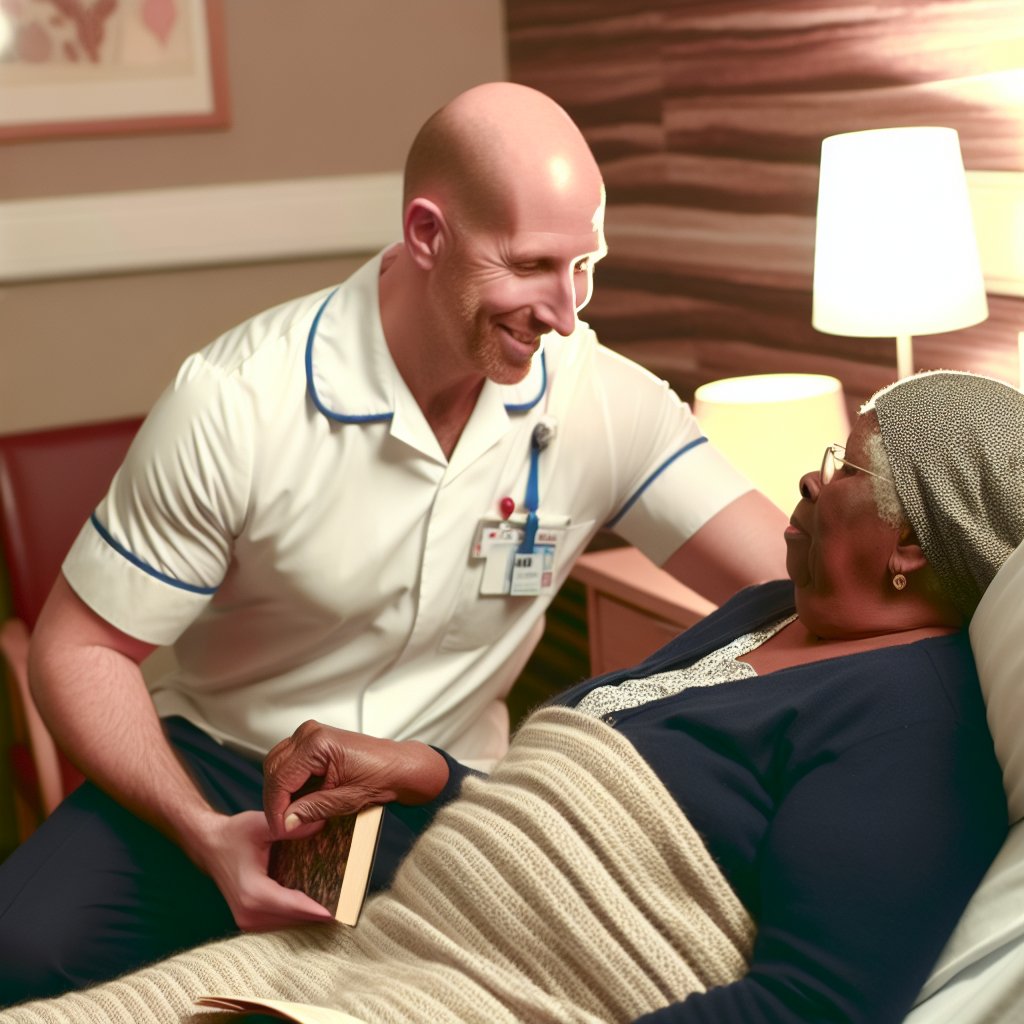
Impact of Hospice Care on Patients’ Quality of Life and Family Support
Enhancing Patients’ Comfort and Dignity
Hospice care prioritizes comfort to improve patients’ quality of life.
Care teams manage pain effectively and provide emotional support.
Moreover, therapists and counselors help address patients’ psychological needs.
Patients experience dignity by receiving care tailored to their preferences.
This holistic approach helps maintain patients’ sense of identity and respect.
Supporting Emotional and Social Well-being
Hospice professionals encourage social interaction to reduce patient isolation.
Volunteers often engage patients in meaningful conversations and activities.
Families receive guidance to communicate sensitively with their loved ones.
In addition, spiritual counselors assist patients in finding peace and closure.
Together, these efforts foster emotional resilience during challenging times.
Providing Comprehensive Family Support
Hospice care extends beyond patients to support their families thoroughly.
Family members gain access to counseling that eases anticipatory grief.
Care teams educate families on symptom management and caregiving skills.
Additionally, practical assistance helps families navigate legal and financial concerns.
This support empowers families, reducing stress in the caregiving journey.
Building a Network of Community and Professional Resources
Hospice providers connect patients and families with vital community services.
For example, organizations like Maplewood Hospice offer specialized programs.
Collaborations with local hospitals ensure seamless transitions of care.
Furthermore, interdisciplinary teams coordinate to meet all patient needs.
Ultimately, this network sustains ongoing comfort and comprehensive support.
Career Progression Opportunities and Potential Specializations within Hospice Care
Pathways for Career Advancement
Hospice care professionals can advance by developing specialized skills and gaining experience.
Often, entry-level roles evolve into leadership positions over time.
For example, a hospice nurse may become a clinical supervisor or program coordinator.
Additionally, acquiring certifications enhances opportunities for promotion.
Organizations such as Hearthstone Hospice and Evergreen Care Homes support professional growth.
Moreover, continuing education is essential for sustained advancement in this field.
Specializations to Enhance Expertise
Specializing allows hospice workers to focus on areas of particular interest and need.
One popular specialization is palliative care nursing.
This role emphasizes pain management and symptom control at life’s end.
Another specialization is grief counseling, supporting families emotionally.
Hospice chaplaincy offers spiritual care tailored to diverse beliefs.
Furthermore, some professionals focus on pediatric hospice care, addressing unique needs of children.
Other specialization options include bereavement coordination and volunteer management.
Skills Required for Advanced Roles
Leadership roles demand strong communication and organizational skills.
Hospice managers must coordinate multidisciplinary teams effectively.
Clinical expertise remains vital even in administrative positions.
Empathy and cultural competence continue to be critical at every career level.
Technical skills, such as electronic medical record management, are increasingly necessary.
Professional Development Resources
Many associations offer certification programs and training workshops.
The National Hospice and Palliative Care Organization provides valuable learning materials.
Local hospitals and universities usually offer hospice-related courses.
Online platforms also expand access to education and skill-building opportunities.
Mentorship programs connect novices with experienced hospice professionals.
The Importance of Cultural Sensitivity and Communication in Hospice Settings
Understanding Cultural Sensitivity in Hospice Care
Cultural sensitivity plays a vital role in hospice care delivery.
Patients and families come from diverse cultural backgrounds.
Therefore, respecting their beliefs and traditions improves care quality.
Healthcare providers must actively learn about different cultural practices.
This knowledge fosters trust and strengthens patient-provider relationships.
Moreover, it helps avoid misunderstandings that could impact patient comfort.
Effective Communication Strategies
Clear communication is essential for compassionate hospice care.
Providers should use language that patients and families understand easily.
Additionally, non-verbal cues often communicate empathy and support effectively.
Hospice teams must listen attentively to patients’ concerns and wishes.
In turn, this promotes shared decision-making and personalized care plans.
Using interpreters and culturally appropriate materials enhances communication further.
Building Trust Through Cultural Awareness
Trust strengthens the caregiver-patient relationship in hospice settings.
Cultural awareness enables caregivers to acknowledge individual patient needs.
Respecting religious rituals or dietary restrictions shows genuine care.
This attention comforts patients during vulnerable moments at life’s end.
Furthermore, families feel supported when their cultural values are honored.
Ultimately, cultural sensitivity improves satisfaction and emotional well-being.
Training and Support for Hospice Providers
Hospice providers benefit from ongoing cultural competency training.
Organizations like Evergreen Hospice prioritize such professional development.
These programs increase staff confidence in handling diverse patient populations.
They also encourage reflection on personal biases and assumptions.
Continuous education ensures hospice teams maintain respectful, inclusive care.
Consequently, this practice elevates care standards across the organization.
Current Trends and Future Outlook for Hospice Care Careers in the UK
Growing Demand for Hospice Care Professionals
The aging population significantly increases the need for hospice care services.
Hospice organisations like St Clare Hospice actively seek skilled professionals.
More patients prefer compassionate end-of-life care at home or in hospice settings.
Consequently, this drives growth in nursing, social work, and therapy roles.
Hospice care charities such as Marie Curie and Sue Ryder expand employment opportunities regularly.
Advancements in Hospice Care Practices
Innovative pain management techniques improve patient comfort effectively.
Interdisciplinary teamwork enhances holistic care for patients and families.
Additionally, the use of digital record systems streamlines patient monitoring.
These advances require hospice staff to continually update their skills and knowledge.
Therefore, ongoing professional development becomes essential in hospice careers.
Government Initiatives and Funding Trends
The UK government increasingly recognises the importance of quality end-of-life care.
It provides funding programs encouraging hospice development nationwide.
Organizations like the National Institute for Health and Care Excellence influence care guidelines.
Such policies promote expanded roles and responsibilities within hospice teams.
However, funding constraints sometimes limit growth and require innovative resource management.
Opportunities for Career Progression
Hospice care professionals can advance into management and leadership roles.
Specialist training in palliative care opens pathways to consultancy positions.
Moreover, educators and researchers contribute to improving hospice practices nationally.
Hospices like Chestnut Tree House support career development through mentorship programs.
Consequently, motivated individuals find rewarding long-term career prospects easily.
Workforce Challenges to Address
The sector faces challenges including staff shortages and high emotional demands.
Employee wellbeing initiatives gain importance to reduce burnout risks.
Staff retention strategies focus on improving work-life balance and job satisfaction.
Recruitment efforts target diverse candidates to build resilient care teams.
Overall, addressing these challenges remains critical for sustainable hospice care delivery.
Impact of Technology and Remote Support
Telehealth services enable hospice professionals to reach patients in remote areas.
Digital tools assist in coordinating multidisciplinary care efficiently.
Remote training programs support continuous learning despite geographic barriers.
Such technology adoption increases accessibility and flexibility within hospice careers.
Therefore, technology integration shapes the future landscape of hospice care work.
Additional Resources
Exploring Careers in Hospice Care | Saybrook University