




Understanding the Role of Storytelling in Photography
The Power of Visual Narratives
Photography goes beyond capturing images.
It tells stories that connect with viewers.
Skilled photographers use visual elements to convey emotions.
They also communicate messages effectively.
Moreover, photographs reveal moments words often fail to describe.
This visual storytelling engages audiences on deeper levels.
Elements That Create a Story in a Photo
Photographers carefully choose subjects contributing meaning to each frame.
Lighting plays a crucial role in setting mood and highlighting details.
Composition guides the viewer’s eye and shapes the story’s flow.
Additionally, context and background add layers of narrative information.
Color schemes or black and white tones reinforce emotional tones.
Techniques Photographers Use to Capture Storytelling Moments
Patience is essential for photographers to anticipate storytelling moments.
They observe their surroundings thoughtfully before pressing the shutter.
Using shallow depth of field directs attention to the story’s focus.
Photographers like Sofia Reyes embrace candid shots to capture genuine expressions.
Personalized UK Career Consulting
Receive tailored career guidance designed just for you. Get actionable steps and expert support to boost your career in 1-3 days. Take control of your career now.
Get StartedContinuous shooting modes help seize fleeting interactions enriching the narrative.
Emotional Impact of Storytelling Photography on Viewers
Compelling storytelling photography evokes empathy and sparks curiosity.
Viewers often relate personal experiences to stories told through images.
This emotional connection inspires reflection and meaningful conversations.
Moreover, storytelling images have power in journalism, advertising, and art.
They create lasting impressions influencing perception and understanding.
Techniques Photographers Use to Capture Emotion and Expression
Observing Genuine Moments
Photographers patiently watch their subjects to notice authentic emotions.
They anticipate key interactions that reveal true feelings.
Moreover, they avoid staged poses to keep expressions natural.
Next, they stay ready to capture fleeting but powerful moments.
Using Composition to Highlight Emotion
Effective photographers compose images to direct attention to expressions.
They often use close-ups to focus on subtle facial details.
Additionally, framing techniques emphasize body language and gestures.
Furthermore, selective focus blurs distractions and sharpens emotional points.
Playing with Light and Shadow
Lighting dramatically influences the mood of a photograph.
Photographers employ natural or artificial light to enhance feelings.
For instance, soft light can create a tender atmosphere.
Conversely, harsh shadows add intensity and depth to emotions.
Creating a Comfortable Environment
Photographers build trust to encourage subjects to relax.
They engage in friendly conversation to ease tension.
Consequently, subjects express themselves more openly during shoots.
Thus, genuine emotions become easier to capture.
Capturing Movement and Spontaneity
Dynamic moments often convey stronger emotional impact.
Photographers use faster shutter speeds to freeze action.
Alternatively, slow shutter can add motion blur for emotional effect.
Either way, movement reveals authentic human reactions.
Utilizing Color and Tone
Color palettes influence the emotional tone of images.
Warm colors can evoke feelings of happiness and comfort.
Cool tones often create calmness or melancholy moods.
Moreover, black and white strips distractions to emphasize pure emotion.
Communicating Through Storytelling
Photographers connect moments to larger narratives.
They select subjects and scenes that suggest meaningful stories.
Additionally, sequences of images build emotional arcs for viewers.
Therefore, photographs transcend snapshots and become lasting stories.
The Importance of Composition and Framing in Narrative Photography
The Role of Composition in Storytelling
Composition shapes how viewers perceive a photograph.
It directs attention to key elements clearly and purposefully.
Moreover, proper composition enhances the emotional impact of images.
Photographer Clara Mitchell often uses composition to evoke powerful feelings.
She carefully arranges elements to create a visual narrative that resonates deeply.
Thus, composition transforms simple scenes into compelling stories.
Framing as a Tool to Focus the Narrative
Framing helps isolate the subject to emphasize its importance.
For example, Lucas Anderson frames his portraits to capture intimate expressions.
This technique adds depth and context to the subject’s story.
Furthermore, framing can guide the viewer’s eyes through the photograph.
It also reveals relationships between elements in a scene.
Consequently, framing strengthens the storytelling capacity of a photo.
Techniques to Enhance Composition and Framing
Explore the rule of thirds to create balanced and dynamic images.
Using leading lines guides viewers naturally to the focal point.
Additionally, framing with natural elements adds layers of meaning.
Consider symmetry to evoke harmony and stability in the photograph.
Adjust depth of field to isolate subjects or reveal contextual details.
Each method contributes uniquely to telling a vivid story through images.
Examples from Noted Narrative Photographers
Elena Ruiz masterfully integrates environment and person in her storytelling.
Her compositions build narratives about daily human experiences.
Similarly, Ahmed Farouk uses framing to highlight cultural traditions.
He carefully selects angles to deepen viewers’ understanding of his subjects.
Both photographers demonstrate how composition and framing bring stories to life.
Explore Further: The Role of Art Directors in Shaping Visual Narratives
Utilizing Lighting to Enhance Mood and Atmosphere in Photos
The Role of Lighting in Storytelling
Lighting shapes the mood and tone of a photograph.
Skilled photographers manipulate light to guide viewers’ emotions.
Therefore, lighting becomes a silent narrator for the story being told.
By adjusting light intensity and direction, they highlight key elements.
Consequently, the story gains depth and meaning through visual cues.
Types of Lighting and Their Effects
Natural lighting creates a soft, authentic atmosphere.
Photographers like Marcus Turner often prefer golden hour light for warmth.
Conversely, artificial lighting offers control and the ability to craft specific moods.
They use studio lights or flashes to emphasize subject textures and expressions.
Moreover, low-key lighting builds drama with deep shadows and contrast.
On the other hand, high-key lighting conveys brightness, joy, and openness.
Techniques for Manipulating Light
Photographers often employ reflectors to bounce light and soften shadows.
They also use diffusers to reduce harshness on the subject.
Moreover, adjusting the camera’s aperture and shutter speed affects light exposure.
For instance, a wide aperture blurs the background, focusing attention forward.
Meanwhile, backlighting creates silhouettes that evoke mystery and emotion.
Creative use of color gels changes the photo’s mood dramatically.
Atmosphere Creation Through Lighting Composition
Combining multiple light sources builds complex and intriguing atmospheres.
Nighttime cityscapes rely on artificial light to tell urban stories.
In contrast, soft morning light enhances calmness and tranquility in portraits.
Photographer Sophia Ramirez carefully balances ambient and direct light in her work.
Such balance invites viewers into a scene with emotional resonance.
Practical Tips for Photographers
- Observe how natural light changes through the day and plan shoots accordingly.
- Experiment with positioning to find flattering or dramatic shadow effects.
- Use white balance settings to adjust color tones that fit the mood.
- Incorporate light modifiers like umbrellas or softboxes for diffused results.
- Study classic photographers like Vivian Maier to understand lighting mastery.
Gain More Insights: How Screenwriters Create Stories That Captivate Audiences
Choosing the Right Moments for Impactful Storytelling
Recognizing Emotion and Expression
Skilled photographers spot genuine emotions in fleeting moments.
They wait patiently for expressions that reveal true feelings.
Moreover, emotional expressions help viewers connect deeply with images.
Therefore, capturing smiles, tears, or surprise adds strong narrative value.
Timing and Anticipation
Successful storytelling depends on timely photo captures.
Photographers study events closely to predict key moments.
They anticipate actions like gestures or interactions before they happen.
Consequently, this foresight results in images filled with meaningful context.
Context and Surroundings
Including relevant background enhances the story within a photo.
Photographers carefully frame shots to show environment details.
This approach situates subjects within a broader narrative.
As a result, viewers gain insight into place and mood simultaneously.
Choosing Subjects That Convey a Message
Photographers select subjects that best express the story’s theme.
They look for characters whose actions or appearances are significant.
For instance, capturing a child’s curiosity or elder’s wisdom tells powerful tales.
Thus, subject choice shapes the entire photographic story effectively.
Using Movement and Action
Action shots provide dynamic energy to photographic stories.
Photographers capture moments of motion to show change and progression.
Additionally, movement signifies life events such as celebrations or struggles.
This technique enhances the emotional impact of the photograph.
Balancing Spontaneity and Preparation
Some moments cannot be staged but require the readiness to capture.
Photographers maintain alertness to seize unexpected opportunities instantly.
At the same time, prior planning allows better positioning and composition.
Combining both approaches strengthens the storytelling potential in images.
You Might Also Like: How Makeup Artists Transform Actors for the Big Screen
Post-processing and Editing to Emphasize the Story Behind Images
Enhancing Mood Through Color Grading
Photographers use color grading to set the emotional tone of a photograph.
For instance, warm colors can evoke feelings of happiness and comfort.
Conversely, cooler tones often bring a sense of calm or melancholy.
Additionally, subtle shifts in color saturation highlight key elements within the frame.
Therefore, color grading serves as a powerful tool to guide viewers’ emotional response.
Refining Composition and Focus
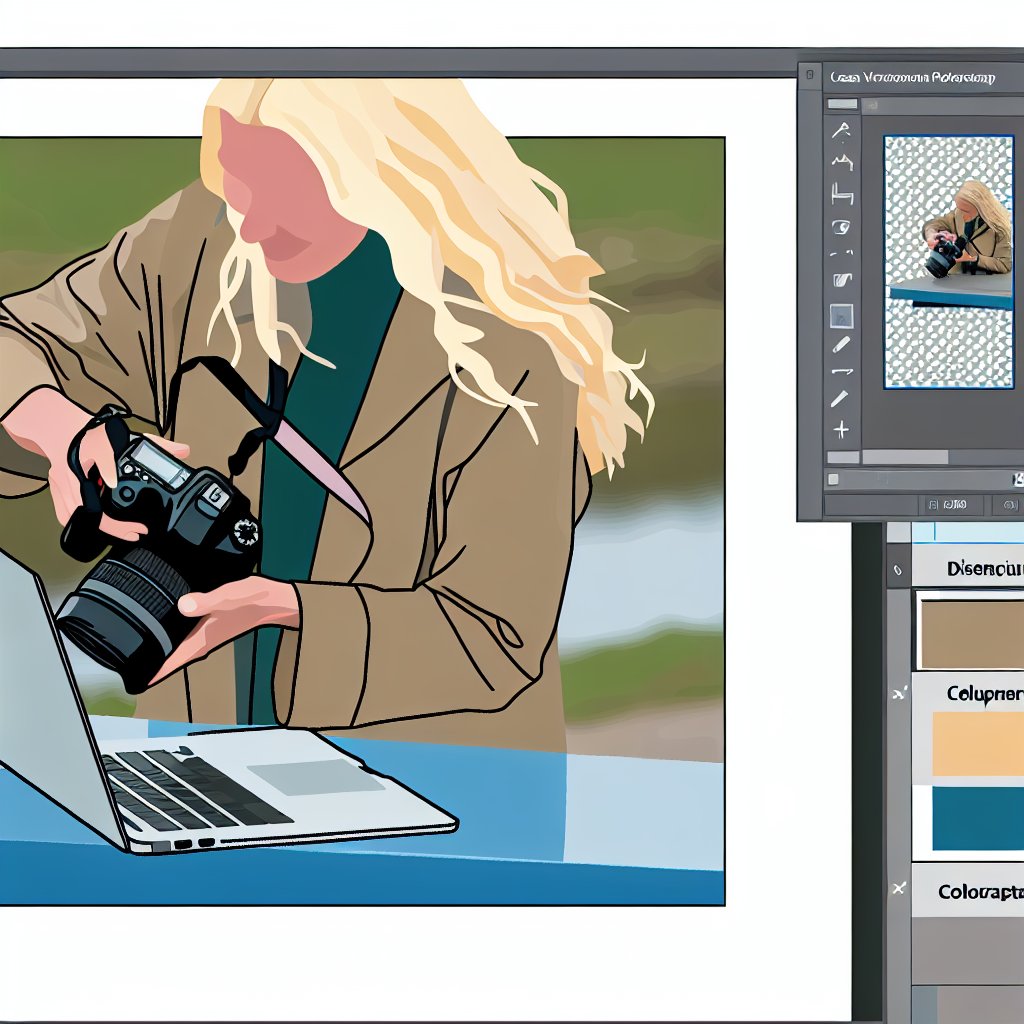
Editing software allows professionals to adjust cropping and framing after the shoot.
This fine-tuning ensures the main subject remains the focal point.
Moreover, techniques like selective sharpening bring important details into clear view.
On the other hand, blurring backgrounds can reduce distractions effectively.
Consequently, these steps help narrate the story visually without altering the original scene.
Using Light and Shadow to Add Depth
Photographers manipulate brightness and contrast to create dynamic depth.
By enhancing shadows, they add mystery or drama to a scene.
In contrast, highlighting bright areas directs attention to crucial parts.
These adjustments replicate natural light’s impact, enhancing storytelling power.
Ultimately, skillful use of light and shadow enriches the image’s narrative strength.
Applying Filters and Effects Thoughtfully
Filters can reinforce a particular era or style within an image.
For example, sepia tones evoke nostalgia and a vintage feel.
Similarly, black-and-white conversion removes distractions caused by color.
However, photographers apply effects sparingly to preserve authenticity.
This balance maintains the story’s integrity while enhancing visual appeal.
Collaborative Editing for Authentic Narratives
Many photographers engage with editors to refine the final image.
These collaborations bring fresh perspectives to storytelling techniques.
Together, they weigh how each edit impacts the image’s message.
Furthermore, feedback loops ensure the narrative remains clear and compelling.
Such teamwork strengthens the story behind the moments captured.
You Might Also Like: The Importance of Editors in Crafting Compelling Stories
The Influence of Cultural Context and Background in Photographic Stories
Understanding the Role of Culture in Photography
Cultural context shapes how photographers perceive their subjects.
It influences the way emotions and stories are captured visually.
Moreover, cultural background helps photographers connect with their subject matter.
Therefore, images reflect deeper meanings beyond their surface appearance.
Photographer Elena Martinez states that culture breathes life into every captured moment.
How Cultural Traditions Affect Visual Storytelling
Cultural traditions provide symbols and motifs photographers use to tell stories.
For example, festive colors in Indian weddings convey joy and community.
Similarly, traditional clothing in Kenyan portraits highlights identity and heritage.
Thus, understanding these traditions enhances the storytelling power of images.
Consequently, viewers gain insight into diverse ways of life around the world.
Adapting to Local Contexts in Photography
Photographers must respect local customs to build trust with their subjects.
They learn local languages or hire guides to communicate effectively.
This approach allows capturing genuine expressions and interactions.
For instance, photographer Naomi Yamaguchi adapted her style to document Japanese tea ceremonies authentically.
By doing so, she revealed subtle cultural nuances often overlooked by outsiders.
Broadening Perspectives through Cross-Cultural Experiences
Exposure to different cultures enriches a photographer’s visual vocabulary.
It encourages looking beyond stereotypes and cliches.
Thus, photographers like Marcus Adebayo create work that challenges cultural assumptions.
He incorporates elements from Nigerian folklore to reinterpret contemporary urban life.
Ultimately, cross-cultural understanding generates more meaningful photographic narratives.
Techniques to Incorporate Cultural Context Effectively
Photographers can use composition and color to emphasize cultural aspects.
They highlight traditional architecture or artifacts to anchor the story in a place.
Additionally, capturing everyday rituals reveals cultural habits often unseen.
Photographer Amina Hassan often shoots morning markets in Morocco to tell stories of community life.
This method invites viewers to connect emotionally with unfamiliar cultures.
Ethical Considerations in Representing Culture
Photographers must avoid misrepresenting or exploiting cultural subjects.
They should prioritize consent and accurate portrayal.
Furthermore, collaborating with local communities fosters respectful storytelling.
Photojournalist Diego Ramirez emphasizes transparency to build ethical relationships.
Such practices ensure the dignity and voice of every subject shine through.
Examples of Iconic Photographs That Tell Powerful Stories
Powerful Images from Historical Events
Photographs capture the essence of significant historical moments vividly.
For example, Steve McCurry’s “Afghan Girl” portrays resilience and hope.
The girl’s piercing green eyes convey deep emotion instantly.
Moreover, Nick Ut’s photo of children fleeing the Vietnam War shocked the world.
It raised awareness and empathy during a turbulent time.
Photography that Highlights Social Issues
Lynsey Addario’s documentation of conflict zones brings harsh realities to light.
Her images expose the hardships endured by women and children.
Similarly, Dorothea Lange’s “Migrant Mother” symbolizes the struggles during the Great Depression.
This photograph humanized poverty and prompted social change.
Capturing Moments of Human Connection
Steve McCurry excels at capturing profound human connections worldwide.
His photo of a Tibetan monk embracing a newborn represents cultural continuity.
Furthermore, Anne Geddes transforms ordinary portraits into poetic storytelling.
Her baby portraits evoke innocence and tenderness universally.
Images That Define Cultural Moments
Alfred Eisenstaedt’s “V-J Day in Times Square” embodies celebration and relief after World War II.
The spontaneous kiss powerfully symbolizes joy and victory.
Likewise, Eddie Adams’ Vietnam war photograph exposed brutal realities of conflict.
It influenced public opinion and policies dramatically.
Elements That Make These Photographs Impactful
- Use of lighting that enhances emotion and focus
- Composition that guides the viewer’s attention meaningfully
- Timing that freezes decisive, unforgettable moments
- Subject matter that resonates universally
These elements combine to tell stories beyond words effectively.
The Photographer’s Perspective and Its Effect on Storytelling
Influence of Personal Vision
Every photographer brings a unique vision to their work.
This vision shapes how they interpret and capture moments.
For example, Maria Santos often focuses on candid expressions to evoke emotion.
Her perspective creates a narrative beyond the surface image.
Consequently, viewers connect more deeply with her photographs.
Choice of Subject and Composition
Photographers select subjects based on the story they wish to tell.
James Mitchell prefers street photography to depict daily human struggles.
He carefully composes shots to highlight contrast and tension.
Additionally, his framing guides the viewer’s eye through the story.
Therefore, composition plays a critical role in storytelling effectiveness.
Use of Light and Color to Set Mood
Lighting influences the emotional tone of a photograph.
Anna Li frequently uses golden hour light to produce warmth and intimacy.
In contrast, harsh shadows can create a sense of mystery or drama.
She also utilizes color palettes to reinforce a story’s atmosphere.
Thus, light and color enhance the narrative impact significantly.
Capturing Genuine Moments
Authenticity is crucial for compelling visual storytelling.
Photographers like Rafael Torres wait patiently for unposed, genuine moments.
They prioritize spontaneity over staged shots.
This approach reveals real emotions and relationships vividly.
Hence, honest moments communicate stories more powerfully.
Emotional Connection with the Audience
Photographers aim to evoke feelings through their images.
Clara Nguyen’s portraits often capture vulnerability and resilience.
She uses close-ups to establish intimacy with viewers.
Subsequently, the audience relates personally to the subject’s story.
Such emotional connection prolongs the photograph’s impact.
Storytelling Through Sequential Work
Some photographers tell stories using a series of images.
For instance, Leon Becker creates photo essays to document journeys.
Each frame contributes a new layer to the unfolding narrative.
This sequence engages viewers over time.
Therefore, multi-image storytelling deepens understanding and immersion.
How Candid and Staged Photography Contribute Differently to Narratives
Essence of Candid Photography
Candid photography captures moments spontaneously without prior planning.
It reveals genuine emotions and authentic interactions between subjects.
Therefore, it allows viewers to connect with the story on a personal level.
Photographer Amelia Rivera often uses candid shots to highlight raw human experiences.
Moreover, candid images emphasize natural lighting and unposed compositions.
This approach helps to preserve the integrity of the moment as it unfolds.
Role of Staged Photography in Storytelling
Staged photography involves deliberate arrangement of subjects and settings.
It allows photographers like Marcus Bennett to craft precise visual narratives.
Photographers control every aspect, including lighting, pose, and background.
Hence, staged photos can communicate specific themes or concepts clearly.
Additionally, this method supports creative expression and storytelling imagination.
Photographer companies such as Lumina Studio specialize in elaborate staged shoots.
Comparing Impact on Narratives
Candid photos often evoke emotional immediacy and spontaneity in their stories.
In contrast, staged photos provide clarity and focus on intended messages.
Both styles serve different narrative goals depending on the photographer’s intent.
While candid photography thrives on unpredictability, staged photography offers control.
Ultimately, combining both styles enriches storytelling through diverse perspectives.
Choosing Between Candid and Staged Photography
Photographers consider the story’s nature when selecting their shooting style.
For intimate, personal moments, candid photography often proves more effective.
Conversely, commercial projects may require the precision of staged photography.
Furthermore, narrative clarity sometimes demands careful posing and scene setup.
Experienced photographers like Linh Tran adapt techniques to fit the storytelling need.
Techniques to Enhance Each Style
In candid photography, patience and observation are crucial for capturing moments.
Photographers use long lenses to remain unobtrusive during shoots.
Meanwhile, staged photography benefits from detailed planning and team coordination.
Lighting setups and props play a major role in reinforcing the story.
Lumina Studio’s team carefully choreographs each scene to maximize impact.


