




The Role of a Sommelier in the UK Hospitality Industry
Defining the Sommelier Profession
A sommelier expertly guides customers through wine selections.
They enhance dining experiences by pairing wines with dishes.
Moreover, they possess deep knowledge of viticulture and wine regions.
In the UK, sommeliers play a crucial role in fine dining establishments.
Their skills bridge the gap between vineyards and restaurant tables.
Importance of Sommeliers in Fine Dining
Sommeliers elevate the quality and prestige of hospitality venues.
They curate wine lists tailored to the restaurant’s style and cuisine.
Furthermore, they educate guests on wine varieties and tasting notes.
Consequently, sommeliers improve customer satisfaction and loyalty.
Restaurants often rely on sommeliers to drive beverage sales and profitability.
Skills and Expertise Required
Strong sensory skills help sommeliers recognize subtle wine characteristics.
Additionally, they must understand food and wine pairing principles in depth.
Effective communication is essential to explain wine choices clearly.
They also stay informed about emerging wine trends and vintage variations.
Finally, professionalism and passion define a successful UK sommelier.
Personalized UK Career Consulting
Receive tailored career guidance designed just for you. Get actionable steps and expert support to boost your career in 1-3 days. Take control of your career now.
Get StartedInfluence of Sommeliers on the UK Hospitality Landscape
The UK sommelier profession continues gaining prominence and respect.
They contribute significantly to the reputation of Michelin-starred restaurants.
Moreover, sommeliers support local vineyards by promoting British wines.
This role encourages a culture of appreciation and knowledge about wines.
Ultimately, sommeliers enrich the overall dining culture across the UK.
Educational Pathways and Essential Qualifications for Aspiring UK Sommeliers
Foundations Through Formal Education
Aspiring sommeliers often begin their journey with formal education in hospitality.
They may also study culinary arts as part of their foundation.
Institutions like the University of West London offer specialized wine courses.
Culinary colleges such as Ashburton School of Hospitality provide valuable knowledge.
These programs build skills in service, wine appreciation, and hospitality management.
Moreover, students learn professional standards expected in fine dining environments.
Professional Wine Qualifications
Acquiring professional wine qualifications is crucial for career advancement.
One popular pathway is certification from the Wine & Spirit Education Trust (WSET).
Many sommeliers start by earning the WSET Level 2 Award in wines.
Your Dream Job Starts with a Perfect CV
Get a tailored CV and cover letter that captures your unique strengths and stands out in your industry. Let us help you make an unforgettable first impression.
Get StartedThey then progress to the WSET Level 3 Award for deeper wine knowledge.
The WSET Diploma prepares candidates for sommelier-level expertise.
In parallel, the Court of Master Sommeliers provides respected certifications.
The Introductory Sommelier Course awards the first professional credential.
The Certified Sommelier Exam tests service skills and theoretical knowledge.
Finally, the Advanced Sommelier Exam offers higher industry recognition.
Practical Experience and Continuous Learning
Theoretical knowledge alone does not suffice for successful sommeliers.
Practical experience in vineyards, wine merchants, or dining establishments is essential.
Working at renowned venues like The Ledbury or The Fat Duck provides valuable exposure.
Hands-on training develops tasting skills and customer interaction techniques.
Vineyard internships in regions such as Sussex or Hampshire enhance understanding.
Continuous learning through tastings, masterclasses, and wine events remains vital.
Key Skills and Attributes Developed Through Education
Education cultivates critical sensory evaluation and food pairing abilities.
Sommeliers learn to manage cellar inventory and supplier relationships effectively.
Optimize Your LinkedIn for Success
Boost your LinkedIn profile with a professional bio, keyword-rich headline, and strategic recommendations that attract recruiters. Stand out from the crowd and get noticed.
Optimize NowCommunication skills improve to guide customers confidently.
Leadership and teamwork competencies support smooth dining room operations.
These combined skills prepare sommeliers for dynamic roles in UK hospitality.
Recommended Institutions and Training Providers
- WSET London Wine Academy offers comprehensive WSET courses.
- The Sommelier School UK provides focused practical training.
- Bibendum Wine Academy delivers advanced tasting workshops and masterclasses.
- Cambridge Wine Academy hosts events emphasizing British and international wines.
Understanding Vineyards and Wine Production Processes Relevant to Sommeliers
Exploring Vineyard Environments
Vineyards form the foundation of every wine a sommelier serves.
The location, climate, and soil heavily influence grape quality.
For example, the chalky soils in Hampshire create unique mineral notes.
Moreover, weather patterns affect grape ripening and flavor concentration.
Consequently, sommeliers learn to identify regional terroirs and their characteristics.
Grape Varieties and Their Significance
Different grape varieties bring distinct aromas and taste profiles.
Chardonnay, for instance, offers a wide range of expressions depending on the vineyard.
Pinot Noir thrives in cooler climates, producing elegant and delicate wines.
Additionally, understanding varietals helps sommeliers recommend wines matching diners’ preferences.
Therefore, mastering grape knowledge is critical for professional sommeliers.
Stages of Wine Production
Harvesting Grapes
Winemakers begin by carefully harvesting grapes at optimal ripeness.
The timing involves balancing sugar, acidity, and tannin levels.
Picking by hand often preserves grape integrity better than mechanical methods.
Fermentation Process
Once harvested, grapes undergo fermentation to convert sugars into alcohol.
Yeast plays a vital role by breaking down sugars into ethanol and carbon dioxide.
Some winemakers use natural wild yeasts, while others prefer cultured strains.
Fermentation temperature control ensures flavor development and prevents faults.
Aging and Maturation
Wines mature either in stainless steel tanks or oak barrels.
Oak barrels impart flavors such as vanilla, spice, and toast to the wine.
The aging duration influences texture and complexity of the final product.
During aging, sommeliers learn to recognize subtle differences in oak influence.
Role of a Sommelier in Wine Selection
Sommeliers use vineyard and production knowledge to assess wine quality.
They communicate a wine’s story, including its origin and crafting method.
This insight enhances guests’ appreciation and deepens their tasting experience.
Furthermore, sommeliers tailor wine pairings to complement each dish perfectly.
Hence, understanding viticulture and vinification enriches a sommelier’s expertise.
Professional Engagements with Winemakers and Vineyards
Professional sommeliers often visit vineyards and cellars to deepen their knowledge.
This hands-on experience helps them understand challenges winemakers face.
They build relationships with vintners such as Nathaniel Brooks of Silveroak Estates.
Such collaborations provide access to exclusive wines and detailed production insights.
Ultimately, these connections allow sommeliers to deliver exceptional wine experiences.
Learn More: The Rise of Eco-Tourism: How It’s Shaping UK Hospitality Careers
Developing Wine Tasting Skills and Sensory Evaluation Techniques
Refining the Sense of Sight
Observing wine's color helps identify its age and grape variety.
For example, a deep ruby red suggests a young red wine.
Moreover, clarity and viscosity reveal the wine's condition and alcohol level.
Experts like Oliver Pembroke emphasize visual analysis as a critical first step.
Enhancing the Sense of Smell
Smelling wine unlocks complex aromas that define its character.
Professional sommeliers, such as Clara Weston, practice identifying fruit, floral, and earthy notes.
Techniques like swirling the glass release more aromatic compounds.
Furthermore, training with aroma kits improves scent recognition.
Mastering the Sense of Taste
Tasting requires recognizing fundamental flavors and textures.
Taster Liam Grayson highlights focusing on sweetness, acidity, tannins, and body.
Chewing wine increases contact with taste buds, enhancing perception.
Additionally, evaluating the wine's finish reveals its complexity and balance.
Practicing Systematic Evaluation
Using structured tasting sheets helps sommeliers stay consistent and objective.
Anita Moreau advises recording observations for future reference and comparison.
Regular group tastings foster discussion and broaden sensory awareness.
Also, visiting vineyards like Blackwood Estate connects theory with real-world experience.
Continuous Sensory Training
Joining workshops led by experts sharpens sensory evaluation abilities.
Tom Ellis from VineCraft Academy stresses the importance of daily practice.
Simulating wine flaws trains the palate to detect imperfections promptly.
Moreover, pairing wines with diverse foods deepens understanding of flavor interactions.
Uncover the Details: The Role of Sommeliers in Elevating Dining Experiences
Gaining Practical Experience Through Apprenticeships and Industry Placements
Immersing in Vineyard Environments
Aspiring sommeliers begin their journey by working directly in vineyards across the UK.
For example, Olivia Bennett spent a season at Vale Park Vineyard learning grape cultivation.
She gained insights into grape varietals, soil conditions, and harvesting techniques.
This hands-on experience strengthened her understanding of wine origins.
Moreover, placements like this expose trainees to seasonal vineyard challenges and decisions.
Learning from Established Wineries and Producers
Many apprentices collaborate with wineries such as Langton Estate to deepen their industry knowledge.
Daniel Morgan worked alongside cellar masters at Langton, mastering fermentation and storage processes.
This practical experience offers unique perspectives that theory alone cannot provide.
Furthermore, apprentices observe quality control and bottling firsthand.
Exposure to Fine Dining Through Restaurant Apprenticeships
After vineyard work, placements shift towards fine dining restaurants renowned for exceptional wine lists.
Jessica Hall apprenticed at The Grafton Room in Manchester under sommelier Claire Beaumont.
She learned to pair wines with complex menus and manage cellar inventories effectively.
This experience enhanced her communication skills with guests and chefs alike.
Consequently, she refined her palate and built confidence in service delivery.
Advantages of Participating in Industry Placements
Industry placements immerse aspiring sommeliers in real-world challenges and solutions.
They facilitate networking with seasoned professionals like sommeliers Marcus Devereux and Helena Shaw.
Placements also develop essential skills such as wine tasting, customer interaction, and team collaboration.
These experiences often lead to job opportunities in respected venues across the UK.
- Practical understanding of viticulture and oenology
- Experience with diverse wine styles and regions
- Enhanced service techniques tailored to fine dining
- Professional mentorship from industry experts
Find Out More: How Cruise Directors Manage Floating Resorts
Certification and Professional Accreditations Available to UK Sommeliers
Industry-Recognised Qualifications
The UK offers several respected sommelier certifications that enhance career prospects.
Primarily, the Court of Master Sommeliers provides renowned professional titles.
Additionally, the Wine & Spirit Education Trust delivers comprehensive wine education programs.
Together, these bodies set high standards for knowledge and service in wine.
Court of Master Sommeliers
The Court of Master Sommeliers (CMS) validates sommeliers through rigorous examinations.
They offer multiple certification levels, including Introductory and Advanced Sommelier diplomas.
Ultimately, candidates may pursue the Master Sommelier diploma, a prestigious achievement.
Furthermore, CMS focuses on practical skills and tasting expertise for fine dining.
Wine & Spirit Education Trust (WSET)
WSET provides structured qualifications suitable for both beginners and experts.
Its Level 3 Award in Wines deeply explores grape varieties and global wine regions.
Moreover, WSET Level 4 Diploma prepares candidates for advanced wine analysis.
Many UK sommeliers combine WSET and CMS certifications for broader competence.
Additional UK Sommelier Accreditations
The Institute of Masters of Wine offers an elite qualification beyond sommelier training.
The UK Sommelier Association supports networking and professional development initiatives.
Furthermore, local courses from culinary schools foster practical sommelier skills.
These accreditations collectively support career advancement within the UK wine industry.
Guidance for Selecting the Most Suitable Certification
Prospective sommeliers should assess their career goals before selecting programs.
For fine dining, CMS certifications are highly valued by top restaurants.
On the other hand, WSET appeals to those seeking deep theoretical wine knowledge.
Combining certifications often maximises opportunities in both retail and hospitality.
You Might Also Like: UK Hospitality Careers in the Post-COVID World: What’s Changing?
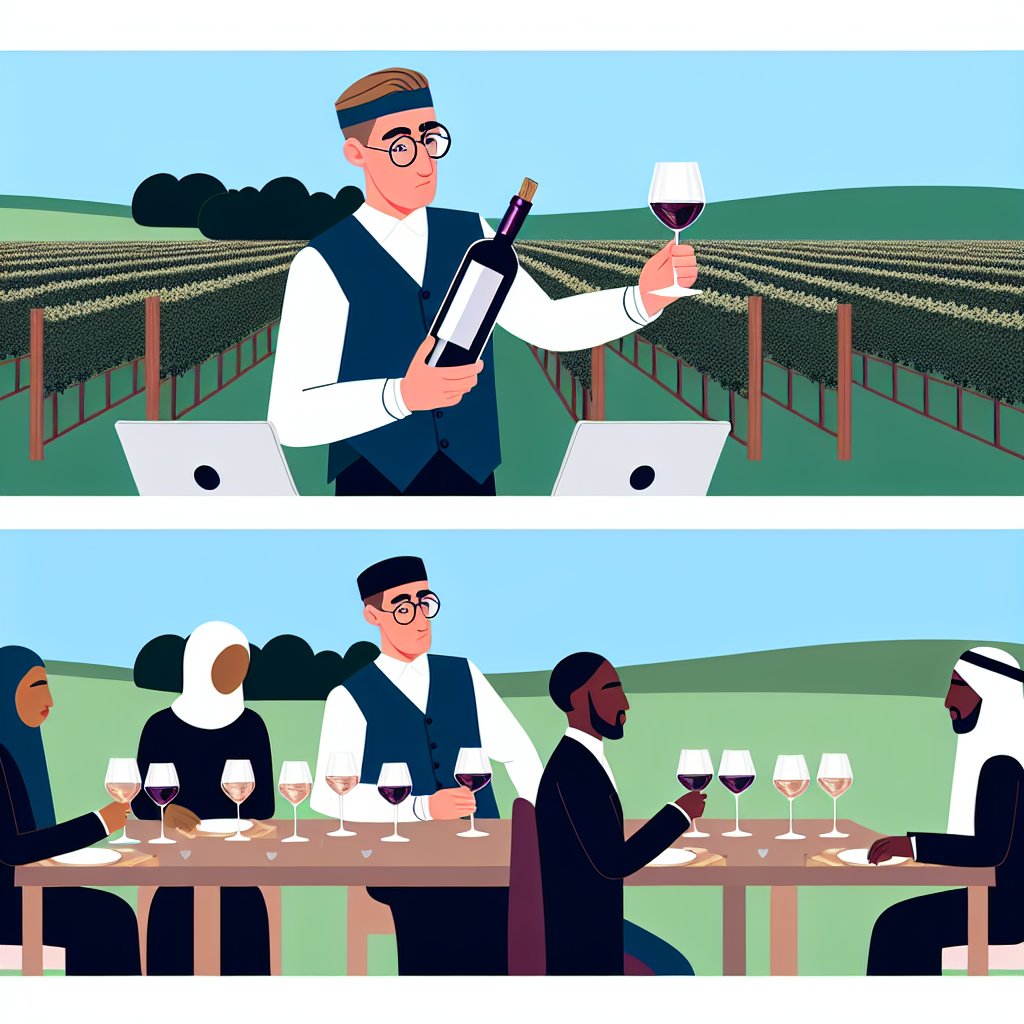
The Role of a Sommelier in Fine Dining
Core Responsibilities
A sommelier curates a wine list that complements the restaurant’s cuisine.
They guide guests through wine selections to enhance their dining experience.
Additionally, sommeliers manage the wine cellar’s inventory and storage.
They collaborate closely with chefs to ensure perfect food and wine pairings.
Moreover, sommeliers train service staff on wine knowledge and etiquette.
Challenges Faced in the Profession
Sommeliers must maintain extensive knowledge of global wines and vintages.
They adapt quickly to guests’ varying tastes and dietary restrictions.
Furthermore, sommeliers handle the pressure of delivering flawless recommendations.
Balancing customer preferences with inventory limitations often presents difficulties.
Additionally, sommeliers stay ahead of industry trends and evolving wine markets.
Essential Skills for Success
Effective communication allows sommeliers to connect with diverse clientele.
They exhibit keen sensory skills to assess wine quality and suitability.
Patience and diplomacy help manage complex guest interactions smoothly.
Strong organizational abilities ensure efficient wine stock management.
Continuous learning drives their professional growth in a competitive field.
Influence on the Dining Experience
A talented sommelier elevates a meal by creating memorable pairings.
They add value by educating guests about wine culture and origins.
Furthermore, sommeliers enhance the establishment’s reputation through exceptional service.
Their expertise transforms ordinary dining into a refined occasion.
Ultimately, sommeliers contribute significantly to a restaurant’s overall success.
Navigating Career Progression and Opportunities within the UK Wine and Hospitality Sectors
Building Foundations Through Early Experience
A career as a sommelier often begins with hands-on experience in vineyards or cellars.
Many aspirants start by working at vineyards such as Nyetimber or Chapel Down in England.
This exposure builds essential knowledge of grape varieties and winemaking processes.
Moreover, it cultivates a deep appreciation for terroir and seasonal influences on wine quality.
Consequently, this foundation supports confident wine selection and communication in later roles.
Formal Education and Industry Certification
Sommelier qualifications provide credibility and specialized knowledge for career growth.
Institutions like the Wine & Spirit Education Trust (WSET) offer progressive certification levels.
Furthermore, candidates may pursue Master Sommelier diplomas through the Court of Master Sommeliers.
These certifications enhance technical skills, tasting abilities, and service expertise.
Additionally, continuing education keeps sommeliers updated on emerging wine regions and trends.
Gaining Practical Experience in Hospitality
Applying knowledge in fine dining settings remains crucial for professional development.
Restaurants such as The Ledbury in London or The Waterside Inn in Bray provide excellent platforms.
Sommeliers refine their service skills by crafting wine lists and advising diverse clientele.
They also learn to pair wines expertly with complex menus and changing seasonal dishes.
This experience sharpens communicative skills and fosters relationships with distributors and producers.
Seizing Opportunities for Advancement
Professional growth often demands ambition and strategic networking within the wine industry.
Attending events like the London Wine Fair helps sommeliers connect with key industry figures.
Additionally, joining associations such as the UK Sommelier Association opens doors to mentorship.
Some sommeliers advance by transitioning into wine buying or consultancy roles.
Others pursue entrepreneurial ventures, including wine bars or boutique import businesses.
Adapting to Industry Changes and Trends
The UK wine and hospitality sectors evolve with changing consumer preferences.
Understanding shifts like the rise of natural wines or sustainable practices is vital.
Sommeliers who embrace digital tools can engage customers via social media and online tastings.
Moreover, flexibility in adapting to new service models enhances job security and opportunities.
Continual learning ensures sommeliers remain valuable assets amid market changes.
Impact of UK Wine Culture and Consumer Trends on the Sommelier Profession
Evolution of UK Wine Culture
The UK has experienced a significant growth in wine appreciation over the past decade.
Consumers now seek diverse wine experiences beyond traditional options.
This shift drives sommeliers to expand their knowledge and skills continually.
Moreover, British consumers show increased interest in sustainable and organic wines.
Such trends influence sommeliers to incorporate eco-conscious choices in their recommendations.
Changing Consumer Preferences
Young professionals in urban areas frequently explore natural and minimal-intervention wines.
As a result, sommeliers must stay updated on emerging wine regions and innovative producers.
Additionally, UK consumers demand transparency about wine origins and production methods.
Therefore, sommeliers act as trusted guides, providing detailed story-telling during service.
They also adapt to customers’ growing preference for lower-alcohol and diverse varietals.
Role of Sommeliers in Fine Dining
Sommeliers now play a central role in curating unique and personalized wine pairings.
They collaborate closely with chefs to complement evolving menus and flavours.
Furthermore, sommeliers educate guests, enhancing the overall dining experience.
This educational role helps demystify wine, attracting a broader audience.
Consequently, sommeliers become essential ambassadors of both tradition and innovation in UK wine culture.
Adapting to Market Dynamics
UK wine importers and distributors focus on bringing exclusive and boutique labels.
Sommeliers leverage these offerings to present novel tasting opportunities.
They also keep pace with digital developments to engage customers through social media.
This digital presence supports brand loyalty and informs purchasing decisions.
Finally, sommeliers commit to continuous professional development to meet rising industry standards.
Future Prospects and Innovations Shaping the Journey of UK Sommeliers
Technological Advances in Wine Education
Digital platforms now offer immersive wine education experiences.
For instance, VineLearn Academy provides interactive virtual vineyard tours.
These tools help sommeliers like Emma Collins deepen their knowledge efficiently.
Moreover, smartphone apps assist in wine identification and pairing suggestions.
Such innovations streamline training and foster continuous professional growth.
Emerging Trends in Sustainable and Organic Wines
Sommeliers increasingly focus on sustainability and organic wine selections.
Experts like Oliver Mason advocate for biodynamic viticulture practices.
This shift impacts wine procurement strategies at establishments such as The Oak Room.
Consequently, sommeliers must stay updated on eco-friendly winemaking methods.
They also promote ethical consumer choices within fine dining menus.
Integration of Artificial Intelligence in Wine Service
Artificial intelligence supports sommeliers by analyzing customer preferences.
AI-driven systems suggest personalized wine pairings in real time.
Restaurateurs like Charlotte Reed embrace this technology to enhance guest experiences.
Furthermore, AI assists with inventory management, reducing waste.
This innovation ensures efficient operations and better wine selection accuracy.
Globalization and Expanding Palettes
UK sommeliers explore diverse wine regions beyond traditional European areas.
They increasingly include wines from South America, South Africa, and Asia.
Sommelier Daniel Fraser recently curated a tasting featuring emerging vintners from Chile.
This exposure broadens expertise and delights adventurous patrons.
Additionally, it fosters cross-cultural appreciation within the fine dining community.
Professional Development and Networking Opportunities
Associations like The British Guild of Sommeliers organize events nationwide.
These forums encourage knowledge exchange and mentorship among members.
Workshops on technology adoption and sustainability attract professionals such as Lucy Harding.
Regular networking supports career advancement and collaboration across the industry.
Moreover, sommeliers gain visibility through competitions and media features.
Additional Resources
Writing for BBC Travel! Wolfville, Nova Scotia wine: Luckett …