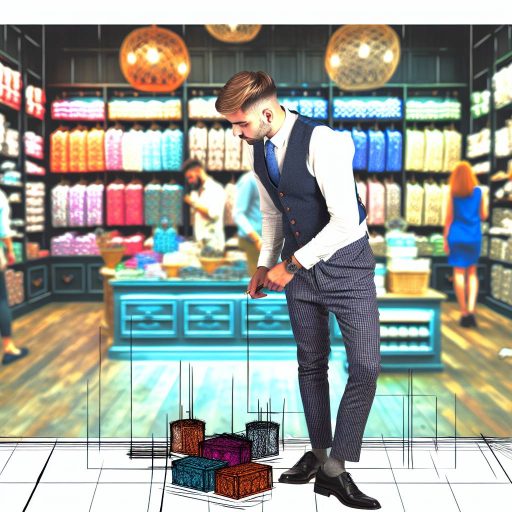




Introduction to Visual Merchandising and Its Importance in Retail
Defining Visual Merchandising
Visual merchandising shapes the way products appear in retail spaces.
It involves strategic product placement and design aesthetics to attract customers.
Moreover, it creates a welcoming and engaging shopping atmosphere.
The Role of Visual Merchandising in Retail Success
Effective visual merchandising can significantly increase store sales.
It guides customers through carefully planned displays and layouts.
Additionally, it highlights key products and promotions clearly.
Retailers like Lindenbrook Apparel leverage visual merchandising to enhance brand identity.
Impact on Customer Experience
Visual merchandising improves the overall shopping journey for customers.
It makes product discovery effortless and enjoyable.
Consequently, customers are more likely to make purchases and return.
Essential Elements of Visual Merchandising
- Lighting helps to emphasize products effectively.
- Color schemes create moods that resonate with shoppers.
- Signage provides useful information and directs attention.
- Fixture selection ensures products are showcased attractively.
Visual Merchandising as a Career Path
Many professionals thrive by combining creativity with retail knowledge.
Careers in this field often involve collaborating with designers and marketers alike.
For example, Monica Reyes, a visual merchandising expert at Astra Retail Group, drives brand engagement.
Key Roles and Job Titles Within Visual Merchandising
Visual Merchandiser
The visual merchandiser creates appealing store displays to attract customers.
They analyze customer behavior to optimize product placement effectively.
Personalized UK Career Consulting
Receive tailored career guidance designed just for you. Get actionable steps and expert support to boost your career in 1-3 days. Take control of your career now.
Get StartedMoreover, they collaborate with marketing teams to reflect brand identity.
They often use seasonal themes to keep displays fresh and engaging.
Visual Merchandising Manager
The visual merchandising manager oversees the entire visual strategy across stores.
They lead a team of merchandisers and ensure consistency in presentation.
Additionally, they develop guidelines to maintain brand standards globally.
They assess store layouts to improve customer flow and sales performance.
Display Coordinator
The display coordinator organizes in-store product arrangements and props.
They coordinate with suppliers to ensure timely delivery of display materials.
Also, they maintain inventory of visual merchandise and repair displays when necessary.
They support the visual merchandiser by implementing design plans accurately.
Window Dresser
The window dresser designs and arranges eye-catching window displays for stores.
They use creativity to tell a story that attracts passersby and increases foot traffic.
Furthermore, they update displays regularly to highlight new products and promotions.
They collaborate closely with marketing and inventory teams to align displays with campaigns.
Visual Merchandising Assistant
The assistant supports senior merchandisers in creating and maintaining displays.
They handle tasks such as setting up props and arranging merchandise on the sales floor.
Moreover, they gather feedback from store managers to improve visual strategies.
They gain practical experience to advance toward more senior visual merchandising roles.
Specialist Roles Within Visual Merchandising
Some companies hire specialists focused on specific areas within visual merchandising.
Examples include lighting specialists who enhance product visibility.
Another example is digital visual merchandisers who create virtual store experiences.
These roles require a deep knowledge of their specific field and often technical skills.
Industry-Specific Visual Merchandisers
Visual merchandising roles vary across retail sectors such as fashion, electronics, and home goods.
For instance, fashion merchandisers focus heavily on aesthetic trends and seasonal styles.
Conversely, electronics merchandisers highlight product features and usability in displays.
Understanding the target market helps merchandisers tailor displays accordingly.
Career Growth Opportunities in Visual Merchandising
Visual merchandisers can advance to managerial and creative director positions.
Experts like creative directors oversee brand aesthetics at a global level.
Additionally, experienced merchandisers may transition into retail marketing or brand consultancy.
Continuous learning and portfolio development boost career prospects significantly.
Essential Skills and Qualifications for a Career in Visual Merchandising
Creative and Artistic Abilities
Visual merchandising requires strong creative and artistic skills.
Professionals must design appealing displays that attract customers effectively.
A good eye for color, balance, and style is necessary.
Additionally, knowledge of current design trends helps create modern presentations.
Technical Skills and Software Knowledge
Proficiency in design software like Adobe Photoshop and Illustrator is important.
These tools assist in planning and visualizing display concepts clearly.
Furthermore, understanding basic photography and lighting techniques enhances presentations.
Experience with space planning software helps organize store layouts efficiently.
Communication and Interpersonal Skills
Visual merchandisers must communicate ideas clearly to store teams and management.
They often collaborate with marketing and sales departments to align strategies.
Strong verbal and written communication skills improve teamwork.
Also, the ability to accept and integrate feedback is crucial for success.
Organizational and Project Management Skills
Planning and executing merchandising projects requires excellent organizational skills.
Visual merchandisers must manage deadlines and coordinate resources carefully.
Attention to detail ensures displays are installed accurately and timely.
Problem-solving abilities help overcome challenges during setup and maintenance.
Educational Background and Training
A degree in visual merchandising, fashion design, or retail management is advantageous.
Many employers prefer candidates who have completed specialized merchandising courses.
Internships at established retail brands like Northcliffe Retail or Camden Apparel provide practical experience.
Ongoing professional development keeps skills current with industry advancements.
Adaptability and Customer Focus
The retail environment changes frequently, so flexibility is essential.
Visual merchandisers adapt displays based on seasonality and customer behavior.
Understanding target demographics helps tailor visual presentations effectively.
Ultimately, success depends on creating engaging experiences that drive sales.
Gain More Insights: How Product Demonstrators Bring Innovations to Consumers
Typical Career Path and Progression Opportunities in Visual Merchandising
Starting as a Visual Merchandiser
Many professionals begin their careers as entry-level visual merchandisers.
They typically handle fixture setup.
They also manage product placement and display maintenance.
Working under senior staff, new merchandisers learn store branding and customer behavior.
Additionally, they gain hands-on experience with seasonal campaigns and promotions.
Companies like Magnolia Fashion Group and Everlane often hire fresh talent for these roles.
Advancing to Visual Merchandising Specialist
After gaining experience, professionals move into specialist positions.
Specialists design window displays and coordinate merchandising themes across stores.
They analyze sales data to optimize product placement and visual appeal.
Moreover, they collaborate closely with marketing and retail management teams.
Companies such as The Loft Collective promote merchandisers to these specialist roles.
Taking on Supervisory Roles
Progression often leads to supervisory positions like Visual Merchandising Coordinator.
Coordinators oversee multiple store locations and guide junior merchandisers.
They ensure consistent execution of brand guidelines and promotional strategies.
Leadership and communication skills become crucial at this stage.
Retailers like Arden & Reed typically recruit coordinators to manage regional teams.
Pursuing Management and Creative Leadership
Experienced merchandisers may advance to Visual Merchandising Manager roles.
Managers develop overall visual strategies and align them with company objectives.
They lead creative teams and manage budgets for multiple stores or regions.
Additionally, they influence store layouts and product assortment planning.
Top fashion houses like Valeria & Co. often seek visionary managers for these positions.
Exploring Specialized and Cross-Functional Opportunities
Besides management, professionals can specialize in areas such as digital merchandising.
They work on online store presentations and virtual displays.
Cross-functional opportunities include roles in buying, marketing, or brand strategy.
These paths leverage visual merchandising skills in broader commercial contexts.
For example, Helena Marsh transitioned from in-store displays to marketing at Sterling Apparel.
Key Skills and Education for Career Growth
A relevant degree in fashion design, marketing, or visual arts often supports advancement.
Practical skills in software like Adobe Creative Suite are highly valued.
Effective networking within retail and fashion industries opens additional opportunities.
Lastly, keeping up with retail trends and consumer behavior helps maintain career momentum.
See Related Content: Inside the Role of a UK Merchandiser: Shaping Shopping Experiences
Tools and Technologies Commonly Used by Visual Merchandisers
Design Software for Visual Planning
Visual merchandisers use design software to create attractive store layouts.
Programs like Adobe Photoshop and Illustrator help craft detailed visual concepts.
Moreover, SketchUp and AutoCAD enable the creation of 3D displays for better visualization.
These tools allow professionals such as Clara Mitchell and Ethan Reyes to communicate their ideas clearly.
Consequently, team members and clients easily understand proposed arrangements.
Digital Tools for Inventory and Space Management
Inventory software like Vend and Lightspeed assists in tracking product stock efficiently.
Visual merchandisers coordinate with inventory managers using such technologies.
Additionally, space planning apps help optimize product placement within limited retail areas.
For example, Zara Gilbert uses these tools to maximize the impact of seasonal displays.
Therefore, stores utilize their space effectively to attract more customers.
Technology for Visual Display and Lighting
Lighting technology plays a crucial role in enhancing product presentation.
LED and spotlight systems help create focused illumination on key display items.
Furthermore, digital signage tools like Samsung’s MagicINFO enable dynamic advertising in-store.
These technologies allow designers like Marcus Bennett to create immersive shopping experiences.
Hence, customers notice featured products more effortlessly during their visits.
Mobile and Collaboration Applications
Mobile apps such as Trello and Asana support project management and team collaboration.
Visual merchandisers use these platforms to coordinate tasks and schedules seamlessly.
Also, cloud storage solutions like Google Drive allow instant sharing of design files.
As a result, professionals including Nina Laurent enhance communication with vendors and colleagues.
This integration speeds up the implementation of merchandising strategies.
Emerging Technologies Enhancing Customer Engagement
Augmented reality (AR) tools provide customers with interactive shopping experiences.
For instance, AR apps let shoppers visualize products in different settings before purchase.
Additionally, artificial intelligence assists in predicting trend shifts and customer preferences.
Retailers like Franklin & Co. incorporate these tech advances to stay competitive.
Embracing innovation helps visual merchandisers adapt quickly to industry changes.
Learn More: The Growing Importance of E-commerce Specialists
The Impact of Visual Merchandising on Consumer Behavior and Sales
Enhancing Shopper Engagement
Visual merchandising creates an appealing store environment that attracts customers.
It uses colors, lighting, and displays to capture shoppers’ attention effectively.
Moreover, a well-designed layout encourages customers to explore more products.
This increased exploration often leads to longer store visits and higher engagement.
Consequently, customers develop a stronger connection with the brand’s identity.
Influencing Purchase Decisions
Visual merchandising guides shoppers toward featured products strategically.
For example, window displays can showcase new arrivals or special promotions.
Additionally, product placement within the store highlights items customers might otherwise miss.
Furthermore, clear signage and descriptive tags help customers make informed choices.
As a result, visual cues reduce purchase hesitation and increase sales conversion.
Boosting Brand Perception and Loyalty
Consistent visual themes build a recognizable and trustworthy brand image.
Customers often associate attractive store designs with high-quality products.
Therefore, effective merchandising strengthens overall brand reputation in the market.
In fact, shoppers tend to return to stores where they enjoy the visual experience.
This repeat business enhances customer loyalty and long-term profitability.
Impact on Sales Performance
Retailers who invest in visual merchandising report noticeable sales growth.
A dynamic presentation often leads to impulse purchases beyond shoppers’ initial plans.
Additionally, seasonal displays stimulate demand during holidays and special events.
Experts like Rosalie Mitchell from Metropolitan Retail Strategies praise thoughtful merchandising.
She confirms that it directly contributes to increased foot traffic and revenue.
Techniques That Drive Results
Successful visual merchandising blends creativity with data-driven insights.
FashionHub Boutique uses heat mapping to place best-sellers where customers linger most.
Meanwhile, immersive displays from Lumiere & Partners provide sensory experiences that captivate buyers.
Also, rotating merchandise regularly keeps the store feeling fresh and exciting.
Ultimately, these approaches maximize shopper satisfaction and sales outcomes.
Uncover the Details: The Power of Sustainable Retail: New Sales Careers in the UK

Challenges Faced by Professionals in Visual Merchandising
Managing Creative Expectations
Visual merchandisers often juggle multiple creative ideas simultaneously.
Clients and managers regularly expect fresh and innovative displays.
Balancing originality with brand guidelines creates ongoing pressure.
The need to constantly reinvent store layouts demands continuous creativity.
Professionals must stay updated with design trends and consumer preferences.
Handling Time Constraints and Deadlines
Visual merchandising projects frequently come with tight deadlines.
Merchandisers must complete eye-catching displays quickly and efficiently.
Delays can directly affect store promotions and customer engagement.
Time management skills become essential in this profession.
Last-minute changes require rapid adaptability and problem-solving.
Dealing with Physical Demands
This career involves significant physical effort, including lifting and arranging displays.
Standing for long periods and working at heights are common tasks.
Such conditions may lead to fatigue and physical strain over time.
Professionals must maintain good health and stamina consistently.
Safety precautions are vital when handling heavy or fragile materials.
Coordinating with Multiple Teams
Visual merchandisers collaborate closely with marketing, sales, and store staff.
Effective communication is necessary to align goals and promotional strategies.
Misunderstandings can lead to inconsistent messaging or display errors.
Building strong relationships across departments improves project outcomes.
Receiving and incorporating feedback demands flexibility and openness.
Adapting to Changing Retail Environments
The retail landscape evolves rapidly due to consumer behavior shifts and technology.
Visual merchandisers must continuously update their skills and knowledge.
Integrating digital displays requires technical proficiency.
Economic fluctuations can alter store budgets and merchandising plans.
These factors require professionals to be resourceful and resilient.
Maintaining Brand Consistency
Merchandisers must ensure visual displays reflect the company’s brand identity.
This consistency builds customer trust and strengthens brand recognition.
Adapting displays across diverse locations complicates this task.
Detailed guidelines and meticulous execution become crucial.
Regular audits and assessments help maintain uniform brand standards effectively.
Tips for Building a Strong Portfolio and Gaining Relevant Experience
Crafting an Impressive Portfolio
Your portfolio is the first impression potential employers will have of your skills.
Start by including a variety of projects that showcase your visual merchandising abilities.
Include images of window displays.
Include images of interior setups.
Include images of product arrangements you designed.
Moreover, explain the concept behind each project to demonstrate your creative thinking.
Use high-quality photos to highlight details and craftsmanship clearly.
Regularly update your portfolio to reflect your latest and best work.
Organize your portfolio logically.
Group similar projects together for easy navigation.
Consider creating a digital version on platforms like Behance or a personal website.
Gaining Hands-On Experience
Hands-on experience helps you apply your skills and build confidence.
Volunteer to help local boutiques with their visual displays.
Volunteer to help event planners with their visual displays.
Additionally, seek internships at retail companies like Urban Vogue or Meridian Style.
Participate in workshops and training sessions offered by industry professionals.
Collaborate with photographers to broaden your perspective.
Collaborate with designers to broaden your perspective.
Collaborate with marketing teams to broaden your perspective.
Attend trade shows to network and learn about current trends.
Attend retail expos to network and learn about current trends.
Ask for feedback from supervisors to improve your techniques.
Ask for feedback from colleagues to improve your techniques.
Keep a journal of your experiences and lessons learned during each project.
Keep a log of your experiences and lessons learned during each project.
Developing Relevant Skills Continuously
Stay updated with visual merchandising trends regularly.
Stay updated with retail innovations regularly.
Take online courses on merchandising.
Take online courses on color theory.
Take online courses on spatial design.
Practice sketching layouts frequently.
Practice drafting display plans frequently.
Learn how to use design software such as SketchUp effectively.
Learn how to use Adobe Illustrator effectively.
Improve your communication skills to present and explain your ideas clearly.
Adapt quickly to changes posed by different retail environments.
Adapt quickly to challenges posed by different retail environments.
Commit to lifelong learning to remain competitive in the industry.
Overview of Salary Expectations and Job Market Trends in the UK
Salary Expectations in Visual Merchandising
Starting salaries for visual merchandisers in the UK typically range between £18,000 and £22,000.
With experience, professionals can earn between £25,000 and £35,000 annually.
Senior roles or management positions often command salaries exceeding £40,000.
London and major cities generally offer higher wages due to increased living costs.
Moreover, some employers include bonuses or commission based on store performance.
Current Job Market Trends
The retail industry has increasingly prioritized visual merchandising to enhance customer experience.
Consequently, demand for skilled visual merchandisers continues to grow steadily.
Large department stores and high street brands frequently recruit new talent.
Additionally, fashion retailers like Walton & Hare and York Retail Collective actively seek creative professionals.
Online retailers with physical showrooms also contribute to expanding job opportunities.
Skills Impacting Employability and Salary
Proficiency in digital design software boosts a candidate’s appeal to employers.
Candidates who demonstrate strong creativity and trend awareness stand out in the market.
Effective communication skills are vital for collaboration with marketing and store teams.
Furthermore, knowledge of sustainable and ethical merchandising practices is increasingly valued.
Future Outlook for Visual Merchandisers
The UK visual merchandising sector is expected to grow moderately over the next five years.
Retailers aim to create immersive in-store experiences to compete with online shopping.
Consequently, visual merchandisers who adapt to new technologies will find better career prospects.
Continuous professional development remains crucial for long-term success in this field.
Case Studies of Successful Visual Merchandising Careers
Emily Vargas at Illume Fashion
Emily Vargas transformed the visual identity of Illume Fashion within two years.
She combined creative window displays with strategic product placements.
Moreover, Emily leveraged seasonal trends to boost customer engagement effectively.
Her efforts increased in-store traffic and amplified sales by over 15% consecutively.
Consequently, Emily earned a promotion to Visual Merchandising Manager.
She continues to innovate by integrating digital elements into physical displays.
Jordan Patel’s Journey at Luxe Home Decor
Jordan Patel began as a junior visual merchandiser at Luxe Home Decor.
He focused on minimalistic designs that highlighted product functionality.
Additionally, Jordan used customer feedback to tailor visual layouts.
Eventually, his projects contributed to a successful national store redesign.
This success led to accolades within the company and several industry awards.
Jordan now leads a team that crafts immersive shopping experiences.
Cara Liu’s Role in EcoStyle Collective
Cara Liu champions eco-friendly visual merchandising at EcoStyle Collective.
She designs displays using sustainable and recycled materials exclusively.
Furthermore, Cara educates store teams on the importance of environmental impact.
Her campaigns boosted brand reputation and attracted a new customer base.
Thus, Cara’s work exemplifies how vision can align with sustainability goals.
She actively speaks at conferences to inspire budding visual merchandisers.
Insights Gained from Successful Visual Merchandising Careers
Successful merchandisers adapt to their company’s culture and customer preferences.
Creativity paired with strategic planning drives career advancement significantly.
Building expertise in emerging trends proves valuable over the long term.
Additionally, strong communication skills foster collaboration across departments.
Finally, a passion for the craft motivates continuous learning and innovation.