




Introduction to Culinary Arts: Definition and Scope
Understanding Culinary Arts
Culinary arts encompass the art and science of preparing food.
It involves cooking, presenting, and creatively combining ingredients.
Professional chefs use techniques to enhance flavor, texture, and appearance.
Moreover, culinary arts integrate cultural traditions and modern innovations.
This field demands both skill and artistic expression in every dish.
Scope of Culinary Arts
The culinary field extends beyond cooking in kitchens.
It includes areas such as food styling, menu planning, and nutrition.
Culinary professionals often work in diverse environments like restaurants, hotels, and catering companies.
Additionally, they may engage in food media, product development, or culinary education.
Consequently, this wide scope offers numerous career opportunities.
Career Paths Within Culinary Arts
Chefs and cooks form the core workforce in culinary arts.
Pastry chefs specialize in desserts and baked goods.
Food critics and writers influence public taste through reviews and articles.
Some professionals become culinary instructors or consultants in hospitality.
Others achieve fame by hosting cooking shows or authoring cookbooks.
Personalized UK Career Consulting
Receive tailored career guidance designed just for you. Get actionable steps and expert support to boost your career in 1-3 days. Take control of your career now.
Get StartedSignificance of Culinary Arts in Modern Culture
Culinary arts contribute significantly to cultural heritage and tourism.
They promote healthy eating by encouraging fresh, balanced meals.
Furthermore, culinary innovation drives the food industry forward.
Thus, experts in this field continually impact lifestyles globally.
Educational Pathways and Training for Aspiring Chefs
Formal Culinary Education
Many aspiring chefs begin their journey by enrolling in culinary schools.
These institutions provide comprehensive training in cooking techniques and kitchen management.
For instance, the Le Cordon Bleu Academy in New York offers intensive programs.
Additionally, students learn about food safety, nutrition, and presentation skills.
Graduates often gain valuable connections within the restaurant industry through internships.
Therefore, formal education lays a strong foundation for a culinary career.
Apprenticeships and On-the-Job Training
Some chefs prefer hands-on experience over classroom education.
They seek apprenticeships with established chefs or restaurants, such as at The Artisan Bistro.
This approach allows direct learning under experienced professionals.
Moreover, apprentices rapidly develop practical skills in a real kitchen environment.
Your Dream Job Starts with a Perfect CV
Get a tailored CV and cover letter that captures your unique strengths and stands out in your industry. Let us help you make an unforgettable first impression.
Get StartedChef Marcus Bellows emphasizes mentorship as crucial in mastering culinary arts.
Consequently, on-the-job training is an effective route to refine cooking abilities.
Specialized Workshops and Certifications
Beyond initial training, workshops offer focused learning on specific cuisines or techniques.
For example, Isabelle Fontaine hosts pastry masterclasses that enhance dessert crafting skills.
Certifications from organizations such as the American Culinary Federation boost professional credibility.
They also open doors to higher-level positions and greater responsibilities.
Thus, continuous education is vital to stay updated with culinary trends.
Skills Developed During Training
Aspiring chefs cultivate various skills throughout their education and training.
These include knife handling, flavor balancing, and time management.
Furthermore, teamwork and communication are essential in busy kitchen settings.
Emerging chefs also learn to innovate and adapt recipes creatively.
Training programs emphasize both technical proficiency and artistic expression.
Factors to Consider When Selecting a Culinary Training Path
Prospective chefs should evaluate their learning preferences and career goals.
Formal education suits those seeking a structured curriculum and credentials.
Optimize Your LinkedIn for Success
Boost your LinkedIn profile with a professional bio, keyword-rich headline, and strategic recommendations that attract recruiters. Stand out from the crowd and get noticed.
Optimize NowMeanwhile, hands-on training fits learners who thrive in dynamic environments.
Combining both methods can maximize skills and industry readiness.
Ultimately, dedication and passion remain key to success in culinary arts.
Different Career Roles in the Culinary Industry
Culinary Artists and Chefs
Chefs create delicious dishes and design menus for restaurants and hotels.
They work in fast-paced environments and lead kitchen teams effectively.
Pastry chefs specialize in desserts, crafting exquisite pastries and baked goods.
Executive chefs manage the entire kitchen, controlling budgets and quality.
Restaurant and Kitchen Management
Restaurant managers oversee daily operations and ensure excellent customer service.
They coordinate staff schedules and manage inventory efficiently.
Kitchen managers focus on food preparation processes and maintain safety standards.
Both roles require strong leadership and communication skills to succeed.
Food Styling and Photography
Food stylists prepare dishes to look appealing for media and advertisements.
They work closely with photographers to capture tempting food images.
These professionals contribute to cookbooks, magazines, and marketing campaigns.
Attention to detail and creativity drive success in these careers.
Culinary Educators and Writers
Culinary educators teach cooking techniques at schools and workshops.
They inspire new chefs by sharing knowledge and hands-on experience.
Culinary writers develop recipes, articles, and cookbooks for various audiences.
Both roles require excellent communication and a passion for food.
Food Critics and Media Personalities
Food critics evaluate restaurants and share their opinions publicly.
They influence dining trends through reviews and social media platforms.
TV chefs and culinary influencers entertain and educate viewers worldwide.
These careers combine culinary skills with media and public relations expertise.
Specialized Culinary Roles
Butchers prepare meats with precision and knowledge of cuts.
Food scientists study ingredients to improve flavor and shelf life.
Personal chefs create customized meal plans for individual clients.
These roles often require additional training and specialized skills.
Career Advancement Opportunities in the Culinary Field
Many professionals start as line cooks and progress to chef or manager roles.
Networking and continuing education open doors to prestigious culinary careers.
Working in renowned kitchens worldwide broadens skills and experience.
Passion and dedication lead to success in the culinary industry.
Uncover the Details: How Front Desk Managers Keep Hotels Running Smoothly
Skills and Qualities Required for Success in Culinary Arts
Technical Culinary Skills
Mastering cooking techniques forms the foundation of any culinary career.
Chefs must develop precision in chopping.
They also need skill in sautéing and baking.
Understanding flavor combinations helps create memorable dishes.
Moreover, knowledge of kitchen equipment enhances efficiency.
Consistent practice in knife skills improves speed and safety.
Creativity and Innovation
Creativity drives the development of unique recipes and presentations.
Chefs should experiment with new ingredients and cooking methods.
Innovative thinking helps restaurants stand out in a competitive market.
Additionally, adapting traditional dishes to modern tastes appeals to diverse customers.
Seasonal and local ingredient use inspires fresh culinary ideas.
Physical and Mental Stamina
Working in kitchens demands physical endurance and strength.
Chefs often stand for long hours in hot, fast-paced environments.
Maintaining focus and composure during busy service benefits team performance.
Stress management techniques aid in handling pressure effectively.
Regular exercise and healthy habits sustain energy levels over time.
Communication and Teamwork Skills
Strong communication ensures smooth kitchen operations and safety.
Chefs must clearly convey instructions and feedback to staff members.
Collaborating well with colleagues creates a positive and productive environment.
Active listening improves understanding between front and back of house.
Conflict resolution skills help maintain harmony during high-pressure situations.
Attention to Detail and Organization
Precision in measuring and timing guarantees consistent food quality.
Organized workstations reduce waste and increase productivity.
Inventory management avoids shortages and controls costs.
Chefs should follow hygiene and safety standards meticulously.
Careful plating enhances the visual appeal of each dish.
Enduring Passion and Dedication in Culinary Careers
Passion fuels continuous learning and improvement in culinary arts.
Successful chefs remain curious about global cuisines and trends.
Dedication helps overcome long hours and demanding work conditions.
Mentorship and networking opportunities expand knowledge and career growth.
This commitment ultimately leads to mastery and potential fame.
Explore Further: Why Adventure Tourism Guides Are Thriving in Unique Destinations
Working in Professional Kitchens: Challenges and Rewards
Dynamic and Fast-Paced Environment
Professional kitchens operate at a rapid and demanding pace.
Chefs and kitchen staff must think quickly and stay focused at all times.
Consequently, teamwork and communication remain essential for success.
Many find this environment energizing and motivating despite the pressure.
Moreover, the fast pace helps develop sharp multitasking skills.
Physical and Mental Demands
Working in a kitchen involves long hours on your feet.
Staff often endure heat, noise, and the constant movement of busy kitchens.
Physically, it requires stamina and strong endurance throughout shifts.
Mentally, chefs manage stress while maintaining attention to detail.
However, overcoming these challenges builds resilience and confidence over time.
Creative Expression and Skill Development
Kitchens offer a unique space for culinary creativity and experimentation.
Chefs develop skills in flavor combination, plating, and menu design.
Additionally, they refine cooking techniques through daily practice.
Many professionals feel rewarded by expressing their artistic vision.
Furthermore, continuous learning keeps the work fresh and exciting.
Opportunities for Career Growth and Recognition
The culinary field provides clear pathways for advancement and promotion.
Dedicated chefs can progress from line cook to executive chef roles.
Recognition from peers and customers enhances professional satisfaction.
Chefs like Alejandro Ramirez of Bistro Maison exemplify this career trajectory.
Thus, ambition and hard work can lead to fame and influence in gastronomy.
Managing Work-Life Balance in Culinary Careers
Kitchen schedules often include evenings, weekends, and holidays.
This irregularity can make maintaining personal life difficult.
Some professionals struggle to find balance between work and family.
Nevertheless, many develop strategies to manage their time effectively.
Ultimately, passion for culinary arts often motivates sacrifices made.
Essential Traits for Success in Professional Kitchens
Successful kitchen workers develop discipline, patience, and persistence.
They adapt quickly and remain calm under stressful conditions.
Additionally, respect for colleagues fosters a positive work environment.
Confidence in one’s skills enables continual growth and achievement.
Employers highly value individuals who exhibit reliability and creativity.
Delve into the Subject: Exploring Careers in Event Planning: Behind the Scenes
Opportunities Beyond the Kitchen
Food Styling and Photography
Food styling transforms dishes into visual masterpieces.
Professionals like Elena Martinez create stunning food presentations.
Additionally, food photographers capture the essence of cuisine.
They collaborate closely to highlight textures, colors, and freshness.
Successful food stylists and photographers often work with magazines and advertising agencies.
For example, Dahlia Nguyen has contributed to several top culinary publications.
Food Writing and Blogging
Food writing offers a platform to share culinary knowledge and stories.
Writers like Lucas Harrington inspire readers through recipes and restaurant reviews.
Moreover, food bloggers engage audiences with personal insights and trends.
Many build loyal followings that influence culinary culture worldwide.
Some writers contribute to renowned outlets such as Gastronomy Today and Culinary Chronicle.
They often collaborate with chefs, nutritionists, and food historians to enrich their content.
Media and Television Careers
Television offers dynamic roles for culinary experts beyond cooking.
Hosts like Sabrina Chen educate audiences about diverse food traditions.
Furthermore, producers and directors craft engaging food-related programs.
They shape public perception of culinary arts through visual storytelling.
Culinary consultants help ensure authenticity and accuracy on food shows.
Networks including Tastewave and Hearth Channel regularly seek such talent.
Additional Creative Paths
Culinary professionals also excel in product development and menu consulting.
Innovators like Marcus Valdez design new food concepts for restaurants and brands.
Besides creativity, these roles demand deep knowledge of flavors and trends.
Food entrepreneurs launch startups that bring unique culinary experiences to market.
They often combine culinary skills with business acumen to succeed.
Besides traditional kitchens, the culinary world offers endless exciting opportunities.
You Might Also Like: The Journey of a UK Sommelier: From Vineyard to Fine Dining
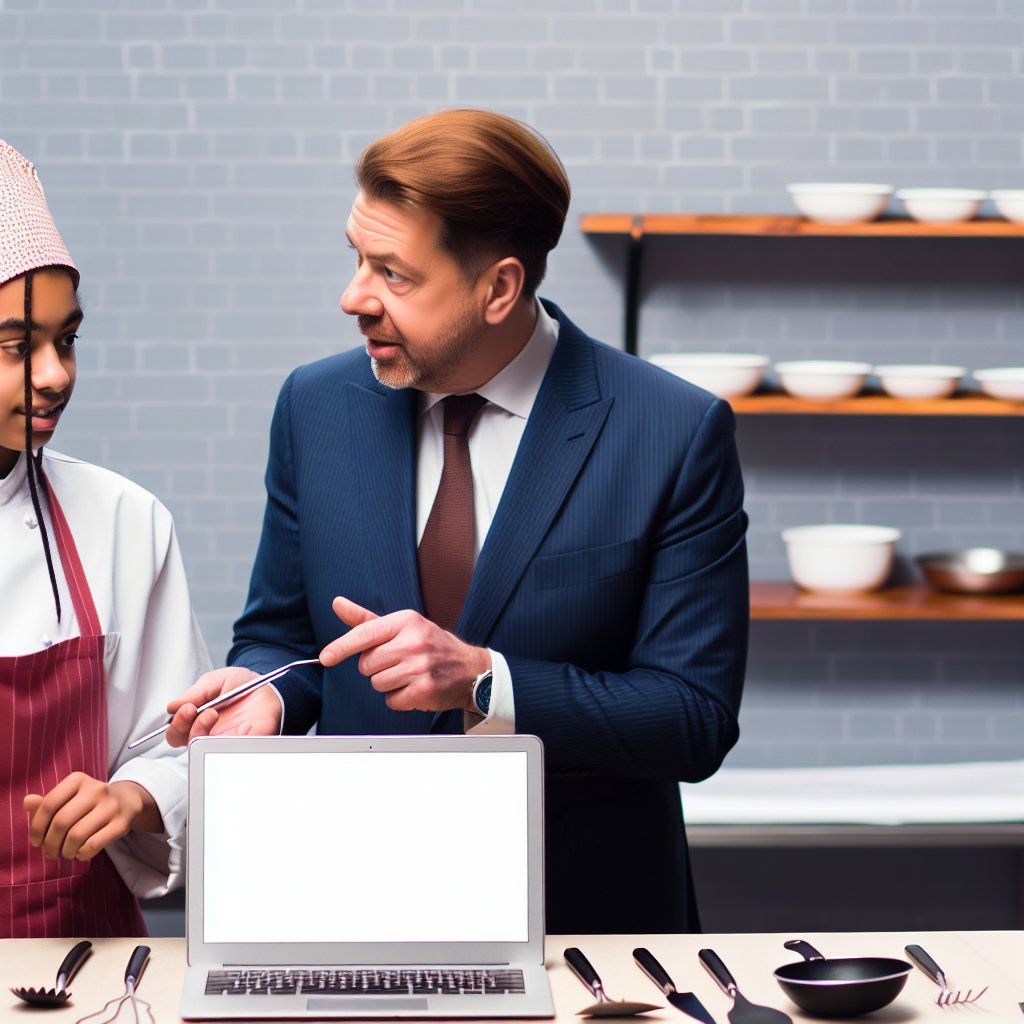
The Journey from Local Chef to Celebrity and Culinary Fame
Building Foundations as a Local Chef
Many chefs begin their careers working in small, local restaurants.
They develop essential cooking skills through hands-on kitchen experience.
Moreover, consistency and passion help them earn respect from peers.
Meanwhile, networking with other culinary professionals opens new opportunities.
Additionally, attending culinary schools or workshops sharpens their technical abilities.
Expanding Presence through Media and Competitions
Participating in cooking competitions raises a chef’s profile significantly.
For example, winning regional contests can attract attention from larger restaurants.
Television shows and web series provide platforms to showcase unique cooking styles.
Furthermore, chefs who engage audiences online often build strong personal brands.
Collaborations with food magazines and bloggers help increase visibility as well.
Collaborations and Growth in the Culinary Industry
Working with renowned restaurants or chefs can enhance skills and reputation.
Likewise, launching signature dishes or menus draws public and media interest.
Many chefs expand their influence by consulting for food brands or hospitality groups.
Opening a personal restaurant marks a major milestone in career development.
Also, continuous innovation keeps chefs competitive in this crowded field.
Securing Celebrity Status and Culinary Recognition
Celebrity chefs often combine culinary expertise with strong media presence.
They appear as judges or hosts on popular cooking shows nationwide.
Writing cookbooks allows celebrities to share their culinary philosophy widely.
Endorsements and product lines further build their brand beyond the kitchen.
Ultimately, fame comes from talent, hard work, and connecting with audiences.
Impact of Technology and Innovation in Modern Culinary Careers
Advancements Transforming Culinary Practices
Technology revolutionizes the way chefs prepare and present food.
Modern kitchens incorporate smart appliances for precise cooking control.
For example, sous-vide machines allow consistent temperature management.
Additionally, 3D food printers introduce new possibilities in food design.
Chefs like Marco Valenti embrace innovations to enhance their creativity.
Moreover, digital tools enable recipe development and inventory management.
These technologies reduce waste and improve kitchen efficiency.
Consequently, kitchens become more sustainable and cost-effective environments.
Digital Media Expanding Culinary Reach
Social media platforms offer chefs opportunities to gain fame globally.
Popular culinary influencers such as Livia Costa connect with millions daily.
These platforms enable sharing recipes, cooking tutorials, and restaurant reviews.
Furthermore, live streaming cooking shows create interactive experiences.
Digital presence significantly boosts brand recognition and career growth.
In addition, online platforms help chefs collaborate with food brands like GourmetPure.
Therefore, technology helps professionals market their unique culinary styles effectively.
Innovations Expanding Culinary Roles
Emerging technologies create specialized job roles within the culinary industry.
For instance, food technologists develop new ingredients and packaging methods.
Moreover, app developers design tools for ordering, delivery, and kitchen automation.
Data analysts help restaurants optimize operations through customer insights.
These roles blend culinary knowledge with technological expertise.
Likewise, nutrition software designers assist in creating health-focused menus.
Thus, innovation broadens career options beyond traditional chef positions.
Emerging Trends Shaping Culinary Careers
Artificial intelligence will play a growing role in recipe creation.
Robotics may assist in repetitive kitchen tasks to improve efficiency.
Virtual reality could offer immersive culinary training experiences.
Additionally, blockchain can ensure food traceability and safety.
Chefs and culinary professionals must stay adaptable to these changes.
Continuing education on new technologies is vital for long-term success.
Consequently, innovation remains central to the future of culinary arts.
Networking and Building a Personal Brand in the Culinary World
Creating Meaningful Connections
Networking plays a vital role in advancing culinary careers.
Chefs and culinary professionals should actively attend industry events.
Conferences, food festivals, and workshops offer excellent opportunities.
Engaging with peers helps build lasting relationships and share knowledge.
Moreover, connecting with mentors provides valuable guidance and support.
Social media platforms also help maintain and expand your network.
Therefore, respond promptly to messages and foster genuine conversations.
Utilizing Social Media to Showcase Your Skills
Social media lets culinary artists display their creativity to a global audience.
Platforms like Instagram, TikTok, and YouTube highlight cooking styles effectively.
Post high-quality photos and videos to attract followers and industry attention.
Weekly updates keep your audience engaged and interested in your work.
Additionally, sharing behind-the-scenes content builds authenticity and trust.
Collaborating with food bloggers or influencers further increases your reach.
Developing a Personal Brand
A strong personal brand differentiates you in a competitive culinary landscape.
Start by identifying your unique cooking style and values clearly.
Consistency in your messaging across all channels strengthens brand recognition.
Use a professional logo, business cards, and a personal website for visibility.
Moreover, storytelling about your culinary journey resonates with audiences.
Remember to showcase achievements like awards or signature dishes confidently.
Participating in Culinary Communities
Joining culinary associations connects you with dedicated professionals.
Groups like the American Culinary Federation offer networking and learning.
Online forums and local clubs help exchange ideas and find job opportunities.
Volunteering at food-related events exposes you to influential industry figures.
Furthermore, active participation boosts your credibility within the field.
Maintaining Professional Relationships
Nurture connections by regularly checking in with contacts and collaborators.
Send thank-you notes after interviews and meetings to leave good impressions.
Offer assistance when possible to create mutually beneficial relationships.
Attend reunions and industry mixers to stay visible and relevant.
Finally, support colleagues by sharing their work on your platforms.
Future Trends and Emerging Opportunities in Culinary Arts
Technological Innovations Transforming Culinary Careers
Technology continues to reshape the culinary landscape rapidly.
Chefs now incorporate advanced kitchen automation and smart appliances.
Moreover, virtual and augmented reality enhance culinary training experiences.
Culinary student Maya Chen excels using VR simulations at Epicurean Institute.
Additionally, 3D food printing opens new creative avenues for chefs and restaurateurs.
Consequently, embracing technology leads to innovative food presentation and preparation.
Sustainable and Ethical Food Practices Driving Demand
The culinary industry increasingly prioritizes sustainability and ethical sourcing.
Renowned chef Luis Martinez advocates for locally sourced farm-to-table ingredients.
Furthermore, plant-based and alternative proteins gain momentum among consumers.
Restaurants like Green Fork Bistro thrive by offering sustainable menu options.
Therefore, culinary professionals skilled in sustainable practices attract new opportunities.
They contribute to reducing environmental impacts while satisfying evolving customer preferences.
Global Flavors and Fusion Cuisine Expanding Horizons
Globalization fuels interest in diverse and fusion cuisines worldwide.
Chefs like Amara Patel blend traditional Indian spices with modern techniques.
This trend encourages chefs to explore novel flavor combinations and ingredients.
Thus, culinary artists gain recognition by innovating authentic cultural dishes.
Moreover, fusion cuisine appeals to adventurous diners seeking unique dining experiences.
As a result, culinary careers diversify through global inspiration and experimentation.
Health and Wellness Emphasis in Culinary Offerings
Consumers increasingly demand health-conscious and functional foods.
Chefs now focus on gluten-free, keto, and low-sugar menu innovations.
Registered dietitian and chef Olivia Reynolds partners with restaurants to optimize nutrition.
This collaboration elevates culinary options supporting active and mindful lifestyles.
In turn, culinary professionals with nutrition expertise expand their career prospects.
They play vital roles in crafting menus that delight and nourish simultaneously.
Growing Importance of Digital Presence and Culinary Entrepreneurship
Social media and online platforms amplify chefs’ personal brands like never before.
Food influencer Julian Torres built a following via YouTube cooking tutorials.
Consequently, culinary entrepreneurs launch virtual kitchens and branded product lines.
Platforms like ChefWorks Network provide tools for digital marketing and sales growth.
Thus, aspiring chefs merge creativity with business acumen to build successful ventures.
Digital skills empower culinary professionals to seize emerging market opportunities.


