




Historical Evolution of Midwifery and Its Role in Women's Health
Origins of Midwifery
Midwifery dates back thousands of years across many ancient civilizations.
Women in communities traditionally supported childbirth and maternal care.
These early midwives relied on passed-down knowledge and herbal remedies.
In ancient Egypt, midwives played a respected role in childbirth practices.
Likewise, midwives in Indigenous cultures preserved vital birthing traditions.
Developments During the Middle Ages
Midwifery evolved during the Middle Ages with increased community reliance.
Women trained others through apprenticeships to continue midwifery skills.
Despite limited formal education, midwives gained trust for home births.
However, midwives sometimes faced challenges from medical authorities.
Nonetheless, their role remained essential in many rural societies.
Impact of Medical Advances in the 18th and 19th Centuries
Medical advances gradually influenced childbirth practices during this period.
Hospitals began to grow, affecting traditional midwifery roles.
Some doctors criticized midwives as medicine professionalized.
Yet, many midwives adapted by learning new techniques and knowledge.
The growing emphasis on hygiene helped reduce childbirth complications.
Personalized UK Career Consulting
Receive tailored career guidance designed just for you. Get actionable steps and expert support to boost your career in 1-3 days. Take control of your career now.
Get StartedModern Midwifery and Formal Education
Today, midwifery combines scientific research with compassionate care.
Formal training and certification standards increased midwives' professional status.
Midwives provide prenatal, childbirth, and postnatal care worldwide.
They focus on holistic and individualized approaches to women's health.
Midwives often collaborate closely with doctors and healthcare teams.
Midwifery's Role in Promoting Women's Health
Midwives empower women by supporting informed childbirth decisions.
They advocate for natural birthing processes whenever possible.
Moreover, midwives address emotional and psychological well-being.
They provide essential education on reproductive health and family planning.
Midwives also serve vulnerable populations, improving health equity.
Key Contributions of Midwives Throughout History
- Preserving and passing on critical childbirth knowledge across generations
- Offering personalized care that respects cultural differences
- Enhancing maternal and newborn survival rates through attentive support
- Championing women's rights and autonomy in healthcare decisions
- Bridging traditional practices with modern medical advances
Core Responsibilities and Skills of Midwives in Prenatal Care
Comprehensive Health Assessments
Midwives conduct detailed health evaluations during pregnancy to ensure maternal wellness.
They monitor vital signs such as blood pressure and heart rate regularly.
Moreover, midwives assess fetal growth and positioning through clinical examinations.
In addition, they identify any risk factors that could affect pregnancy outcomes.
Your Dream Job Starts with a Perfect CV
Get a tailored CV and cover letter that captures your unique strengths and stands out in your industry. Let us help you make an unforgettable first impression.
Get StartedConsequently, they tailor care plans based on the individual needs of each woman.
Providing Emotional Support and Education
Midwives offer continuous emotional support throughout the prenatal period.
They educate expectant mothers about pregnancy stages and bodily changes.
Furthermore, midwives discuss nutrition, exercise, and lifestyle modifications effectively.
They also prepare women for labor and delivery through informative sessions.
As a result, they empower women to make informed decisions about their healthcare.
Monitoring and Managing Common Prenatal Conditions
Midwives identify and manage common issues like morning sickness and gestational diabetes.
They coordinate necessary tests and interpret results to guide care strategies.
Additionally, midwives communicate promptly with obstetricians when complications arise.
They implement preventive measures to minimize risks to mother and baby.
Therefore, midwives help maintain a healthy pregnancy progression effectively.
Collaboration with Healthcare Professionals
Midwives work closely with doctors, nutritionists, and social workers to support pregnant women.
They facilitate referrals to specialists when higher-level care is needed.
Furthermore, midwives ensure seamless communication among all members of the healthcare team.
Optimize Your LinkedIn for Success
Boost your LinkedIn profile with a professional bio, keyword-rich headline, and strategic recommendations that attract recruiters. Stand out from the crowd and get noticed.
Optimize NowThis collaboration promotes comprehensive and coordinated prenatal care services.
Ultimately, it enhances the overall health and wellbeing of both mother and child.
The Impact of Midwives on Reducing Maternal and Infant Mortality Rates
Role of Midwives in Improving Maternal Health
Midwives provide essential care before, during, and after childbirth.
They closely monitor expectant mothers for potential complications.
Moreover, midwives educate women on prenatal health and nutrition.
This education significantly reduces risks associated with pregnancy.
Midwives also perform safe deliveries in various settings.
Consequently, they help prevent birth-related injuries and infections.
Their continuous support during labor reduces emergency interventions.
Thus, midwives contribute to safer childbirth experiences for mothers.
Influence on Infant Survival Rates
Midwives ensure newborns receive immediate and appropriate care.
They assist in establishing early breastfeeding practices effectively.
Early breastfeeding strengthens infants’ immune systems substantially.
Additionally, midwives monitor newborns for health issues promptly.
They also educate parents on newborn care and warning signs.
This guidance helps prevent infant mortality due to infections or neglect.
In many communities, midwives provide vaccinations and essential screenings.
Therefore, midwives play a key role in improving infant survival globally.
Community-Based Preventative Care by Midwives
Midwives often work within communities to extend healthcare access.
They identify and support at-risk pregnant women early on.
Furthermore, they coordinate with hospitals for referrals when needed.
This community approach bridges gaps in rural and underserved areas.
Midwives also promote healthy behaviors through workshops and outreach.
As a result, maternal and infant mortality rates drop effectively.
Their work emphasizes prevention and education alongside clinical care.
Research Supporting Midwifery’s Contribution
Studies show regions with strong midwifery services have lower death rates.
Research by Dr. Eleanor Matthews highlights midwives’ impact in Uganda.
Her team documented a 40% reduction in maternal deaths over five years.
Similarly, a WHO report credits midwifery with saving millions of lives globally.
Such evidence underscores the vital need for trained midwives worldwide.
Funding and training programs continue expanding midwives’ reach.
Therefore, investing in midwifery is a proven strategy for public health.
Delve into the Subject: The Growing Importance of Mental Health Counselors in Modern Society
Midwives’ Role in Promoting Natural Childbirth and Birth Choices
Supporting Informed Birth Decisions
Midwives empower women by providing comprehensive information about childbirth options.
They explain natural birth benefits alongside medical interventions clearly.
Moreover, midwives encourage open dialogue, ensuring women understand their choices fully.
This support allows women to make decisions aligned with their values and health needs.
Advocating for Natural Childbirth
Midwives actively promote natural childbirth as a safe and positive experience.
They emphasize minimal interventions while monitoring mother and baby’s well-being closely.
Furthermore, midwives utilize evidence-based practices to support uncomplicated deliveries naturally.
They often employ techniques such as mobility, breathing exercises, and relaxation strategies.
These methods help reduce pain and promote a calm birth environment.
Providing Personalized Care and Continuous Support
Midwives offer personalized care tailored to each woman’s unique pregnancy journey.
They build trusting relationships that enhance emotional and physical support during labor.
Additionally, midwives provide continuous presence throughout labor to comfort and guide women.
This consistent support critically improves birth outcomes and maternal satisfaction.
Collaborating with Healthcare Providers for Safety
Midwives coordinate with obstetricians and pediatricians when medical needs arise.
They ensure seamless care transitions while respecting birth plans and preferences.
Moreover, midwives monitor mother and baby closely to identify any complications early.
Thus, they champion both natural birth and safety through comprehensive collaboration.
Encouraging Birth Environments That Honor Women’s Choices
Midwives advocate for birth settings that respect personal preferences and comfort.
These include home births, birthing centers, and supportive hospital units.
They emphasize creating calming spaces with minimal clinical distractions.
Furthermore, midwives support involving partners and family members in the process.
This holistic approach fosters empowerment and positive birth memories.
See Related Content: How Nurses Shape Patient Recovery Beyond Hospital Walls
Support Provided by Midwives During Labor and Delivery
Emotional Assistance Throughout Labor
Midwives offer continuous emotional support to women during labor.
They create a calming and reassuring environment for expectant mothers.
Moreover, midwives listen attentively to mothers’ concerns and fears.
This empathetic care reduces stress and promotes a positive birth experience.
Physical Care and Comfort Measures
Midwives use various techniques to alleviate pain during labor.
They suggest breathing exercises and relaxation methods to ease discomfort.
Additionally, midwives assist with changing positions to improve labor progress.
They also employ massage and hydrotherapy when appropriate.
Monitoring and Medical Support
Midwives continuously monitor the mother’s vital signs and fetal heartbeat.
They identify any signs of complications early to ensure safety.
Furthermore, midwives collaborate with obstetricians when specialized care is necessary.
This teamwork ensures prompt medical attention if risks arise.
Guidance and Advocacy for Birth Preferences
Midwives respect each woman’s birth plan and personal choices.
They provide information to help mothers make informed decisions.
In addition, midwives advocate for the woman’s wishes during labor and delivery.
This advocacy fosters autonomy and dignity in the birthing process.
Support During Delivery and Immediate Postpartum
Midwives assist actively as the baby is born, ensuring a safe delivery.
They provide skin-to-skin contact and encourage early breastfeeding.
Moreover, midwives monitor both mother and newborn closely after birth.
They offer guidance on postpartum care and emotional adjustment.
Explore Further: Inside the Life of a UK Genetic Counselor: Guiding Families with Precision Medicine
Postnatal Care and Education Offered by Midwives to New Mothers
Support During the Postnatal Period
Midwives provide essential support to new mothers immediately after birth.
They monitor physical recovery to prevent complications and promote healing.
Midwives assess emotional well-being to detect any signs of postpartum depression.
They offer personalized advice tailored to each mother’s unique health needs.
Additionally, midwives foster a supportive environment that encourages open communication.
Guidance on Infant Care and Feeding
Midwives educate mothers about newborn care, including bathing and diapering techniques.
They emphasize the importance of breastfeeding and proper latch methods.
Furthermore, midwives provide strategies to address common feeding challenges.
They also inform mothers about formula feeding when breastfeeding is not possible.
Midwives encourage consistent routines to support infant growth and health.
Health Education and Lifestyle Advice
Midwives counsel new mothers on nutrition to promote recovery and energy.
They advise on safe physical activities suited for the postpartum phase.
In addition, midwives inform about contraception and family planning options.
They educate about rest and stress management to enhance emotional stability.
Midwives highlight signs that require medical attention for both mother and baby.
Building Confidence and Empowerment
Midwives empower mothers by validating their experiences and feelings.
They encourage mothers to trust their instincts when caring for their babies.
Furthermore, midwives provide resources for community support and further education.
They help new mothers set achievable goals for postpartum recovery.
Midwives celebrate milestones to boost confidence and maternal bonding.
Find Out More: Exploring Careers in Hospice Care: Providing Comfort at Life’s End
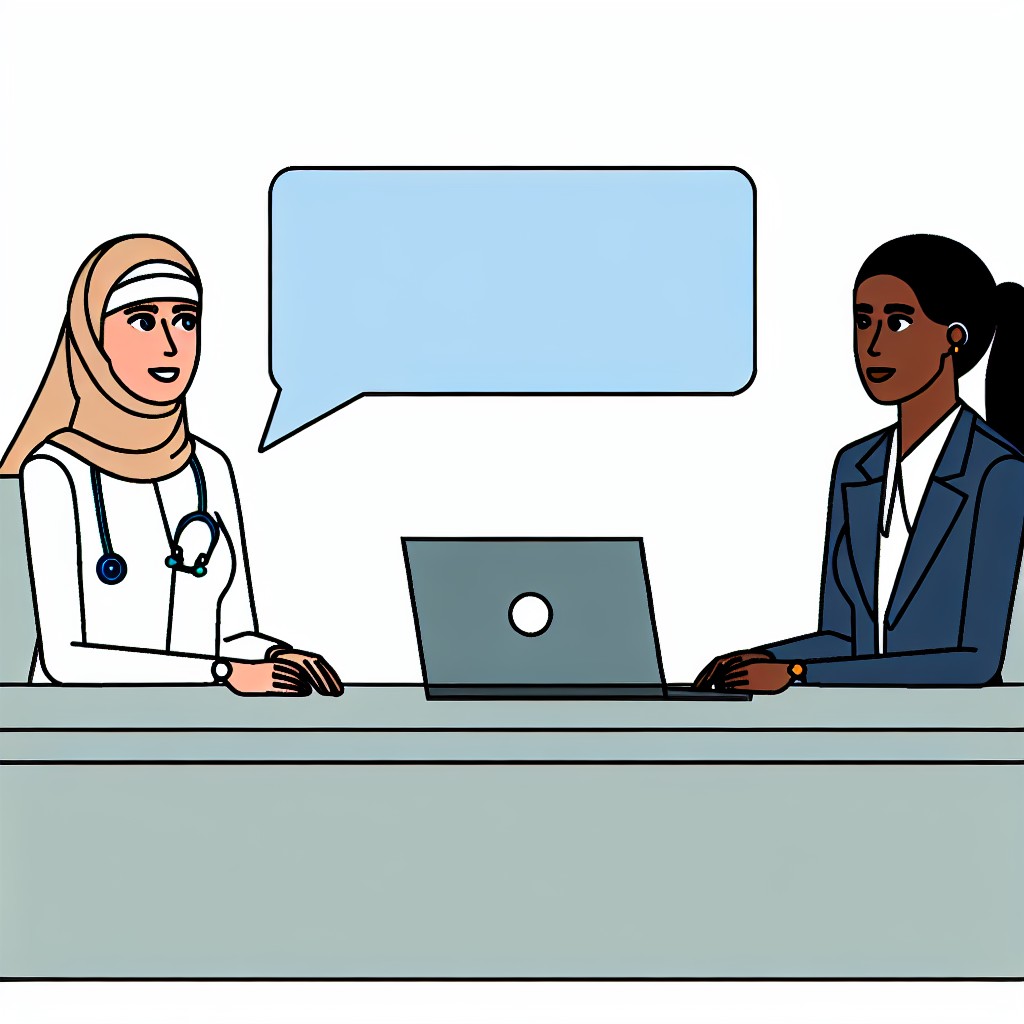
Collaborative Work between Midwives, Doctors, and Other Healthcare Professionals
Integrating Expertise for Comprehensive Care
Midwives actively collaborate with doctors to ensure holistic care during pregnancy.
They communicate regularly with obstetricians to share important patient information.
This teamwork helps detect complications early and provides timely interventions.
Moreover, collaboration extends to pediatricians to prepare for newborn care and health.
Together, these professionals create a supportive network centered on the mother and baby.
Consequently, mothers receive personalized care adapted to their unique needs and risks.
Coordination with Allied Health Professionals
Midwives also work closely with nutritionists to promote healthy diets during pregnancy.
Physical therapists collaborate with midwives to support women experiencing pregnancy-related discomfort.
Additionally, mental health counselors partner with midwives to address emotional well-being.
This multidisciplinary approach ensures all aspects of maternal health are covered.
Healthcare teams hold regular meetings to coordinate care plans and update progress.
Through this coordination, they optimize health outcomes for women and their families.
Enhancing Communication for Better Outcomes
Effective communication among healthcare professionals is crucial for seamless care delivery.
Midwives utilize electronic health records to share up-to-date patient information efficiently.
They participate in case conferences to discuss complex situations and develop strategies.
Furthermore, educational workshops help align knowledge and practices across disciplines.
By maintaining open dialogue, teams reduce errors and improve patient satisfaction.
Therefore, collaboration strengthens trust and empowers women throughout their healthcare journey.
Challenges Faced by Midwives in the UK Healthcare System
Staffing Shortages and Increased Workload
The NHS faces ongoing staffing shortages affecting midwives across the UK.
Midwives handle larger caseloads than recommended as a consequence.
This increased workload causes stress and burnout among many professionals.
Furthermore, it reduces the time available for personalized care.
For example, Hannah Barrett, a midwife at Queen Elizabeth Hospital, highlights these pressures daily.
Resource Constraints and Limited Funding
Funding limits hinder access to necessary resources and training for midwives.
As a result, many clinics lack up-to-date equipment for safe childbirth.
Additionally, some midwives struggle to attend continuing professional development sessions.
These constraints affect the overall quality of care provided to mothers.
Bureaucratic Challenges and Administrative Burden
Midwives spend a significant portion of their time on paperwork and data entry.
Therefore, less time remains for hands-on care and building patient relationships.
Moreover, complex regulations add to the administrative burden they face daily.
As a consequence, job satisfaction declines and stress levels increase.
Workplace Environment and Emotional Strain
The emotionally intense nature of midwifery leads to high risk of compassion fatigue.
Midwives often support women through traumatic or complicated births.
Also, insufficient mental health support within workplaces exacerbates this stress.
Colleagues like Sarah McIntyre notice rising emotional exhaustion among staff.
Impact of Policy Changes and System Reforms
Frequent NHS policy shifts create uncertainty and complexity in midwifery roles.
For instance, changes in care models require rapid adaptation by midwives.
This situation hampers continuity of care and may confuse patients.
In addition, midwives must balance clinical duties with adapting to new protocols.
Addressing Inequality and Access to Services
Midwives serve diverse populations with varying access to healthcare.
Consequently, disparities in care arise partly due to social and economic factors.
For example, rural areas often experience fewer available midwifery services.
Targeted efforts remain necessary to improve equity in maternal care.
Summary of Key Challenges in Midwifery Services
- Staffing shortages and heavy caseloads increase pressure on midwives.
- Limited funding restricts access to training and resources.
- Administrative tasks divert time from patient care.
- Emotional demands require better workplace mental health support.
- Policy changes create ongoing professional uncertainty.
- Disparities in service access affect vulnerable populations.
Understanding these challenges is vital for supporting midwives effectively.
By addressing these issues, the NHS can strengthen women’s health outcomes.
The Importance of Cultural Sensitivity and Individualized Care in Midwifery
Cultural Sensitivity Enhances Trust and Communication
Midwives build trust by understanding each woman’s cultural background.
They actively listen to personal beliefs and practices related to childbirth.
Respecting cultural values strengthens communication and patient comfort.
Furthermore, culturally sensitive care reduces anxiety during labor and delivery.
Midwives like Elena Morales incorporate language preferences to improve dialogue.
Tailoring Care to Individual Needs
Every pregnancy is unique, requiring personalized approaches.
Midwives assess medical history and lifestyle factors to customize support.
For example, Sarah Chen designs birth plans that reflect individual goals.
Moreover, personalized care fosters empowerment throughout the childbirth process.
This approach increases satisfaction and promotes positive health outcomes.
Integrating Cultural Sensitivity with Individualized Care
Effective midwifery combines respect for culture with personal health needs.
It involves continuous dialogue and adjustment based on feedback.
Midwives ensure inclusive care by addressing cultural customs alongside medical advice.
For instance, Omar Hassan respects traditional postpartum practices while monitoring health.
Consequently, this integration improves maternal well-being and cultural dignity.
- Enhances patient trust and cooperation during prenatal visits.
- Reduces disparities in healthcare access and outcomes.
- Improves mental health by honoring emotional and cultural needs.
- Supports families in making informed decisions confidently.
- Fosters stronger community connections through respectful care.
Future Developments and Training in Midwifery to Enhance Women's Health Services
Advancements in Midwifery Education
Midwifery education continues to evolve rapidly across the globe.
Universities like Evergreen College of Health implement innovative training programs.
They integrate cutting-edge technology to simulate real-life birth scenarios.
Besides theoretical knowledge, practical skills receive increasing emphasis.
This approach ensures midwives gain confidence and competence in critical situations.
Moreover, digital learning platforms improve accessibility for remote students.
Consequently, more aspiring midwives can receive high-quality education.
Emphasis on Interdisciplinary Collaboration
Training today stresses collaboration with other health professionals.
Nurses, obstetricians, and pediatricians learn to work in cohesive teams.
At Lakeshore Medical Institute, joint workshops foster effective communication skills.
These collaborations enhance maternal and newborn safety during childbirth.
Likewise, midwives learn to advocate for women's health within healthcare networks.
Thus, teamwork remains essential for comprehensive maternal care delivery.
Incorporation of Cultural Competency Training
Cultural sensitivity becomes a crucial component in midwifery education.
Institutes like Magnolia Health University develop specialized cultural programs.
These programs teach midwives to respect diverse beliefs and traditions.
As a result, midwives provide more personalized and effective care.
Cultural competency enhances trust between patients and healthcare providers.
Therefore, it significantly improves outcomes for women from all backgrounds.
Utilization of Emerging Technologies
Virtual reality and augmented reality increasingly support midwifery training.
Tech companies such as MedSim Solutions create immersive learning tools.
These tools allow practice of rare or complex birth scenarios safely.
Additionally, telehealth expands midwives' reach in rural and underserved areas.
Consequently, women benefit from timely prenatal consultations and follow-ups.
Technology thus bridges gaps in healthcare delivery effectively.
Continuing Professional Development for Midwives
Ongoing education remains vital to keep midwives updated with new research.
Associations like the National Midwives Council offer regular workshops and seminars.
These opportunities promote evidence-based practices and skill enhancement.
Furthermore, midwives adapt quickly to changing healthcare policies and standards.
Such continuous learning ensures consistent high-quality care for women.
Supporting Mental Health in Midwifery Training
Increasing attention focuses on mental health within maternal care training.
Programs incorporate modules addressing postpartum depression and anxiety.
Midwives learn screening techniques and intervention strategies.
Early detection helps improve mothers' psychological wellbeing.
This holistic approach strengthens overall maternal health services.
Practical Strategies for Expanding Midwifery Services
Health organizations develop targeted recruitment to increase midwife numbers.
Scholarships encourage students from rural areas to join midwifery courses.
Increased workforce diversity better reflects the communities served.
Additionally, governments invest in midwifery-led clinics to widen access.
These clinics provide affordable, community-centered maternal care.
Therefore, expanding midwifery services positively impacts women's health nationwide.
Additional Resources
U.S. Maternal Mortality vs. 10 Countrie | Commonwealth Fund
39 Different Types of Nursing Specialties | NU – National University


