




Introduction to Occupational Therapy
Occupational therapy helps individuals participate in meaningful daily activities.
It empowers people to engage fully in their lives.
The foundation of occupational therapy lies in client-centered care.
Defining Occupational Therapy
It addresses physical, cognitive, and emotional challenges.
Occupational therapists collaborate closely with clients to set achievable goals.
They use personalized approaches tailored to each individual’s needs.
Core Principles of Occupational Therapy
Therapists focus on what truly matters to each person.
Another key principle promotes autonomy and choice in activities.
They emphasize adapting environments and tools to support participation.
Consequently, such adaptation helps clients overcome barriers and succeed daily.
Scope of Practice and Settings
Occupational therapists work in diverse settings such as hospitals, schools, and homes.
They assist people of all ages, from children to older adults.
Common areas include rehabilitation, mental health, and developmental disabilities.
Moreover, therapists support individuals recovering from injuries or managing chronic conditions.
They collaborate with families, caregivers, and other healthcare professionals.
Personalized UK Career Consulting
Receive tailored career guidance designed just for you. Get actionable steps and expert support to boost your career in 1-3 days. Take control of your career now.
Get StartedImpact on Individuals and Communities
It fosters social participation and community involvement.
This therapy often enhances self-esteem and motivation.
Additionally, it helps reduce long-term healthcare costs by increasing independence.
Occupational therapy plays a vital role in transforming daily living experiences.
Historical Development and Evolution of Occupational Therapy
This section traces key milestones that shaped the profession.
It highlights organizational formation, wartime influences, and practice expansion.
Additionally, it outlines modern trends and future directions.
Origins in the Early 20th Century
Occupational therapy emerged as a formal practice during World War I.
During that time, therapists helped injured soldiers regain daily function.
Moreover, Clara Barton and other pioneers emphasized purposeful tasks for recovery.
Growth Through Professional Organizations
Eleanor Clarke Slagle and William Dunton founded a professional society in 1917.
The society later became the American Occupational Therapy Association.
Consequently, the organization set standards for education, practice, and ethics.
Evolution of Practice Areas
Practitioners first focused on physical and mental rehabilitation.
Your Dream Job Starts with a Perfect CV
Get a tailored CV and cover letter that captures your unique strengths and stands out in your industry. Let us help you make an unforgettable first impression.
Get StartedLater, therapists incorporated pediatric and geriatric services into practice.
They also addressed developmental disabilities and vocational rehabilitation needs.
Furthermore, technological advancements broadened assessment methods and therapeutic tools.
As a result, therapists now emphasize holistic approaches and environmental supports.
Impact of World Events on Occupational Therapy
World War II increased demand for rehabilitation services significantly.
After the war, hospitals incorporated occupational therapy into standard care.
During polio epidemics, therapists supported community reintegration for patients.
Later, the disability rights movement prompted therapists to adopt advocacy roles.
Consequently, practitioners emphasized accessibility and client centered care models.
Modern Developments and Future Directions
Modern practice incorporates evidence based methods and emerging technologies.
Digital health tools and teletherapy expand access to services globally.
Therapists collaborate with interdisciplinary teams for complex health needs.
Moreover, education programs emphasize cultural competence and lifelong learning.
Future directions indicate greater focus on mental health and wellness promotion.
Optimize Your LinkedIn for Success
Boost your LinkedIn profile with a professional bio, keyword-rich headline, and strategic recommendations that attract recruiters. Stand out from the crowd and get noticed.
Optimize NowTherefore, occupational therapy continues to transform lives through meaningful engagement.
Key Roles and Responsibilities of Occupational Therapists
Occupational therapists support people to perform meaningful daily activities.
They address physical, cognitive, and environmental factors that affect function.
Through assessment and intervention, therapists promote independence and participation.
Assessing Individual Needs
Therapists evaluate a person’s physical abilities.
They also assess cognitive skills relevant to daily tasks.
Clinicians observe routines to identify challenges and limitations.
Moreover, they gather input from family members and caregivers.
Designing Personalized Intervention Plans
Therapists create customized programs that improve daily functioning.
They set realistic goals that reflect each person’s lifestyle and preferences.
Additionally, therapists include adaptive strategies and assistive technologies as appropriate.
Consequently, these plans increase independence and enhance quality of life.
Implementing Therapeutic Activities
Therapists guide clients through meaningful daily tasks and exercises.
They emphasize activities that build strength, coordination, and cognitive skills.
Moreover, therapists teach techniques to manage pain and reduce fatigue.
This hands-on approach increases participation and maintains client motivation.
Educating Clients and Caregivers
Therapists train clients and caregivers on adaptive equipment and safety measures.
They recommend environmental modifications to improve accessibility at home.
Additionally, therapists teach strategies to manage stress and prevent injury.
Education empowers families to support ongoing progress and independence.
Collaborating with Healthcare Teams
Therapists work with doctors, nurses, and social workers to coordinate care.
They share assessment findings and intervention plans with the team.
Also, therapists join multidisciplinary meetings and contribute to case discussions.
Such collaboration supports smooth transitions across treatment phases.
Advocating for Client Independence
Therapists encourage clients to develop self-advocacy and decision-making skills.
They connect people to community resources and local support networks.
Moreover, therapists promote policies and accessibility that increase workplace inclusion.
Advocacy work fosters empowerment and improves social participation for clients.
Find Out More: The Hidden Heroes of Public Health: Epidemiologists Saving Lives
Assessment Techniques Used by Occupational Therapists in Daily Life Contexts
Occupational therapists begin assessments by conducting detailed client interviews.
They identify daily routines, roles, and functional challenges that affect participation.
Therapists use this information to plan personalized and achievable interventions.
Initial Client Interview and Occupational History
This process uncovers daily routines, roles, and challenges clients face.
Therapists gather details about a client’s work, leisure, and self care activities.
Understanding personal goals helps therapists create tailored intervention plans collaboratively.
Family members often provide context that clarifies client abilities and supports.
Standardized Assessment Tools
Therapists frequently use validated tools to measure functional abilities.
For example, the Assessment of Motor and Process Skills evaluates task performance.
The Canadian Occupational Performance Measure records client priorities and satisfaction ratings.
Clinicians use these objective data to track change and guide care decisions.
They often adapt tools to respect cultural and environmental differences.
Observation of Daily Activities
Clinicians observe clients performing tasks in natural home or work environments.
They watch activities such as cooking, dressing, and computer typing to evaluate performance.
Observation often reveals real world barriers and environmental supports affecting function.
These findings help identify inefficient methods and unsafe practices that need change.
Subsequently, therapists recommend adaptations and assistive technologies when appropriate.
Performance Based Assessments
Performance tests simulate daily tasks to evaluate practical functional abilities.
For instance, clinicians may measure hand strength with a dynamometer device.
These measures reveal physical limitations that affect routine activities and participation.
Assessments also inform therapists about endurance, coordination, and cognitive skills.
Practitioners use results to set realistic and achievable therapy goals collaboratively with clients.
Environmental Assessments and Modifications
Assessing a client’s environment helps explain activity limitations and participation barriers.
Therapists evaluate lighting, furniture arrangement, and general accessibility in settings.
They identify hazards that could lead to falls or reduce independence.
Additionally, therapists suggest environmental modifications to enhance safety and function.
Recommendations can include grab bars, reorganized workspaces, and other practical changes.
Collaboration with Multidisciplinary Teams
Occupational therapists collaborate with physicians, physical therapists, and social workers.
They share assessment information to enrich clinical decision making and planning.
Collaboration supports a holistic understanding of client needs across domains.
Therapists integrate medical, cognitive, and psychosocial data into their evaluations.
The team then develops comprehensive care plans to maximize client outcomes.
Delve into the Subject: How Pharmacists Bridge the Gap Between Medicine and Patients
Therapeutic Interventions to Enhance Physical, Cognitive, and Emotional Abilities
Occupational therapists deliver interventions that target physical, cognitive, and emotional abilities.
They design client centered plans that reflect individual priorities and contexts.
As a result, people regain greater participation in daily activities.
Enhancing Physical Abilities
Therapists assess physical challenges that affect daily task performance.
Then they create customized exercise programs to improve strength and coordination.
Additionally, they teach adaptive techniques to simplify complex movements.
For example, Maria Gonzales uses assistive devices to increase client independence.
Finally, therapists collaborate with clients to set realistic physical goals.
Supporting Cognitive Function
Occupational therapists evaluate cognitive skills such as memory and problem solving.
They implement targeted activities to boost attention and executive functioning.
For example, cognitive exercises help David Chen manage daily schedules.
Moreover, therapists teach compensatory strategies to address cognitive limitations.
They also use technology to support cognitive rehabilitation effectively.
Promoting Emotional Well-Being
Emotional health remains central to many occupational therapy interventions.
Therapists guide clients to develop coping skills for stress and anxiety.
They facilitate mindfulness practices and relaxation techniques during sessions.
For instance, Aisha Patel supports expression through creative activities.
Collaboratively, therapists work to build client self-confidence and motivation.
Integrating Therapeutic Approaches for Holistic Care
Occupational therapists integrate physical, cognitive, and emotional strategies for holistic care.
This integration creates comprehensive support tailored to each person’s needs.
Therapists regularly reassess progress and adjust interventions as necessary.
Moreover, they collaborate with families and caregivers to enhance outcomes.
Ultimately, these interventions empower individuals to resume meaningful daily roles.
Find Out More: The Vital Contribution of Midwives to Women’s Health
Collaboration with Other Healthcare Professionals and Caregivers
Occupational therapists collaborate closely with doctors, nurses, and physical therapists.
This partnership empowers caregivers with skills to assist daily routines.
They use shared electronic health records to keep information updated and accessible.
Integrating Multidisciplinary Expertise
Teamwork ensures a comprehensive approach to patient care.
By sharing insights, each professional contributes unique expertise.
Consequently, patients receive personalized and effective rehabilitation plans.
Furthermore, this collaboration supports monitoring progress and adapting treatments.
Partnering with Families and Caregivers
Occupational therapists involve family members in therapy sessions whenever possible.
They receive training to safely support mobility and independence of their loved ones.
Additionally, therapists provide emotional support to families during challenging times.
Effective communication between therapists and caregivers strengthens treatment outcomes.
Enhancing Communication and Coordination
They hold regular meetings to optimize patient care plans with the healthcare team.
Clear communication helps avoid conflicting treatments and duplicated efforts.
Coordinated scheduling reduces patient stress and improves treatment adherence.
Collaborative Goal Setting and Progress Evaluation
Therapists set goals in consultation with patients, families, and healthcare providers.
This collaborative process ensures that therapy aligns with the patient’s priorities.
Regular evaluations allow adjustments based on progress and changing needs.
They celebrate successes together to motivate patients and support networks.
Ultimately, joint efforts foster empowerment and sustainable improvements in daily living.
Uncover the Details: The Growing Importance of Mental Health Counselors in Modern Society
Case Studies Demonstrating Life Improvements Through Occupational Therapy
These case studies demonstrate practical benefits of occupational therapy.
They highlight measurable improvements in daily activities and participation.
Each example shows targeted interventions and client centered outcomes.
Enhancing Independence for Stroke Survivors
Maria Gonzalez regained her ability to dress independently after a severe stroke.
Her occupational therapist introduced adaptive clothing and daily practice routines.
Targeted hand exercises improved her fine motor skills significantly.
Consequently, she regained confidence and autonomy at home.
Supporting Children with Autism Spectrum Disorder
Jacob Thompson struggled with sensory processing and daily living skills.
Occupational therapy focused on sensory integration and communication techniques.
His therapist worked closely with his family to build consistent routines.
As a result, Jacob’s social interactions and self-care abilities improved remarkably.
He also became more engaged in school activities and group play.
Promoting Workplace Accessibility for Veterans
Samuel Lee, a military veteran, faced challenges returning to office work after injury.
His occupational therapist assessed his work environment and recommended assistive technology.
Additionally, customized ergonomic solutions helped reduce his physical discomfort.
These adjustments enabled Samuel to return to his administrative role successfully.
Consequently, his productivity and job satisfaction increased substantially.
Improving Quality of Life for Elderly Patients with Arthritis
Linda Wright experienced difficulty in daily tasks due to severe arthritis.
Her occupational therapist provided joint protection strategies and specialized splints.
Therapy sessions also emphasized energy conservation and task modification techniques.
Subsequently, Linda found everyday activities more manageable and less painful.
She also reported better mood and independence after consistent therapy.
Rebuilding Skills Following Traumatic Brain Injury
David Kim faced memory and coordination challenges after a car accident.
Occupational therapy included cognitive exercises and practical skill retraining.
His therapist also incorporated technology aids to support daily reminders.
Over time, David demonstrated increased self-reliance and improved problem-solving abilities.
Importantly, his family noticed a positive change in his overall engagement.
Challenges Faced by Occupational Therapists and Strategies to Overcome Them
This document describes challenges faced by occupational therapists.
It also outlines practical strategies used to address those challenges.
Furthermore, examples illustrate therapist practices and workplace approaches.
Heavy Workload and Time Constraints
Occupational therapists often manage large caseloads daily.
Such workload can limit time available for each patient.
Therefore, therapists may feel rushed during sessions.
For example, Maria Lawson prioritizes tasks to improve efficiency.
She uses scheduling software to maximize patient interaction time.
Additionally, delegating administrative duties reduces stress for therapists.
Team collaboration also helps balance workloads across departments.
Keeping Up with Rapidly Evolving Techniques
The field of occupational therapy constantly advances with new methods.
Therefore, therapists must stay updated to provide the best care.
For example, Samuel Chan regularly attends workshops and webinars.
He also subscribes to industry journals such as the OT Journal.
Additionally, healthcare centers like Serenity Rehab support professional education.
Moreover, peer learning groups foster knowledge sharing among therapists.
Dealing with Emotional and Physical Burnout
Occupational therapy can be emotionally and physically demanding.
Consequently, therapists often empathize deeply with patients’ struggles.
For example, Samantha Roy uses self-care routines to sustain well-being.
She practices mindfulness and seeks counseling when necessary.
Additionally, organizations encourage regular breaks and wellness programs.
Moreover, supportive workplace culture helps reduce burnout risks.
Limited Resources and Accessibility Issues
Some therapists encounter a lack of adequate equipment and facilities.
For instance, patients in rural areas often face difficulty accessing therapy services.
To overcome barriers, therapists like David Kim use telehealth options.
This approach expands reach and improves patient compliance.
Additionally, grant funding and community partnerships help acquire resources.
Moreover, advocacy efforts raise awareness of occupational therapy’s importance.
Effective Communication with Diverse Patient Populations
Occupational therapists work with patients from various backgrounds.
However, language barriers and cultural differences can hinder progress.
For example, therapists such as Amina Hussein use interpreters when needed.
They also participate in cultural competence training regularly.
Additionally, establishing trust encourages patients to express needs openly.
Moreover, visual aids and technology support effective communication strategies.
Adapting Treatment Plans to Individual Needs
No two patients respond to therapy in the same way.
Therefore, therapists must customize interventions for maximum effectiveness.
For instance, Claire Nguyen assesses each patient’s environment and lifestyle carefully.
This holistic approach enables tailored goal setting and treatment design.
Additionally, regular monitoring allows timely modifications to therapy plans.
Moreover, collaborating with families ensures support beyond clinical sessions.
The Impact of Occupational Therapy on Different Age Groups and Disabilities
Occupational therapists help children develop essential motor and cognitive skills.
They support youngsters with developmental delays and learning difficulties.
Consequently, therapy empowers young individuals to participate fully at school and home.
Benefits for Children and Adolescents
Therapists work with Emma, a seven-year-old with sensory processing challenges.
They design playful activities that improve coordination and focus.
Also, therapists assist teenagers managing anxiety or social skills deficits.
For example, Sarah, a fifteen-year-old, gained confidence through customized social interaction exercises.
Support for Adults Facing Physical or Mental Challenges
Occupational therapists address the unique needs of adults recovering from injuries.
For example, Michael regained hand function after a car accident through targeted therapy.
They also aid adults with chronic conditions such as arthritis to maintain independence.
Additionally, therapists help clients develop coping strategies for mental health struggles.
For instance, Luis improved daily routines while managing depression with professional guidance.
Moreover, therapists collaborate with workplaces to adapt environments for better accessibility.
This cooperation boosts adults’ ability to perform job tasks effectively and comfortably.
Enhancing Quality of Life for Older Adults
Occupational therapy plays a vital role in supporting seniors’ independence.
Therapists work with individuals experiencing mobility issues or memory decline.
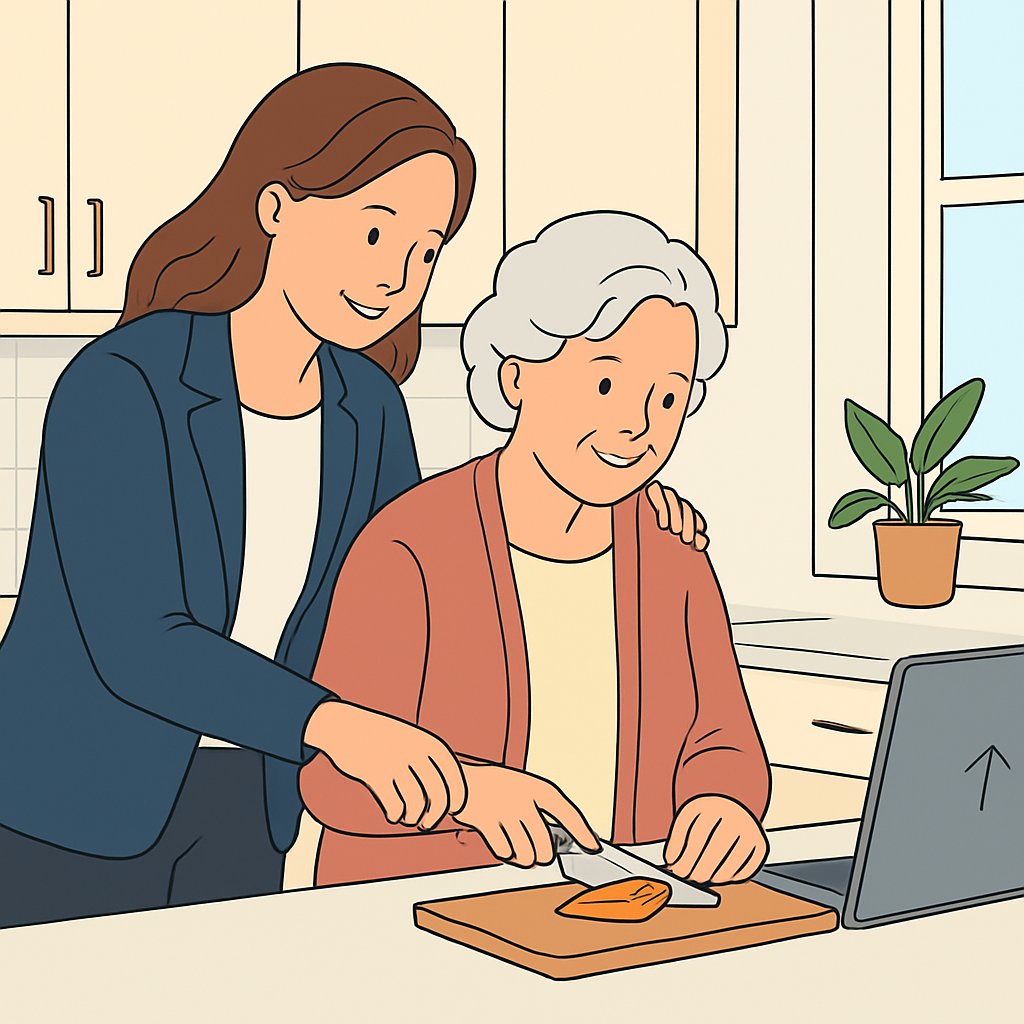
For example, Anna, a seventy-two-year-old, regained her ability to prepare meals despite arthritis.
They recommend assistive devices and modify home settings to reduce fall risks.
Moreover, therapists encourage cognitive exercises to slow dementia symptoms.
This holistic approach helps older adults stay engaged and socially connected.
Addressing Diverse Disabilities Through Tailored Interventions
Occupational therapists create personalized plans catering to various disabilities.
They continuously adapt interventions to meet evolving client needs and goals.
This flexibility ensures meaningful improvements in clients’ daily living and social participation.
- Physical disabilities such as spinal cord injuries or stroke recovery
- Intellectual disabilities that affect learning and daily functioning
- Developmental disorders including autism spectrum conditions
- Psychiatric conditions requiring behavioral and life skills support
For instance, Jacob, living with cerebral palsy, improved self-care activities via therapy.
Future Trends and Innovations in Occupational Therapy Practice
This section outlines emerging trends and innovations in occupational therapy practice.
Moreover, it highlights technology, personalized care, and community roles shaping future services.
Consequently, practitioners will adapt methods to better support client participation.
Integration of Technology in Therapy
Occupational therapists increasingly use advanced technology to enhance patient care.
For example, virtual reality provides immersive environments for rehabilitation and skill development.
Additionally, wearable devices monitor progress in real time during daily activities.
Moreover, telehealth platforms expand access to remote therapy sessions across locations.
Personalized and Patient-Centered Approaches
Therapists adopt customized plans tailored to individual patient needs.
Data analytics help identify effective interventions for specific conditions.
Furthermore, collaboration with patients empowers them to set meaningful goals.
Consequently, this participation improves motivation and therapy outcomes.
Collaborative Interdisciplinary Care
Occupational therapists increasingly work alongside physicians, psychologists, and social workers.
This cooperation ensures comprehensive treatment addressing physical, emotional, and environmental needs.
Additionally, coordinated care fosters timely and cohesive support services for patients.
Consequently, patients benefit from more holistic rehabilitation experiences.
Innovations in Assistive Devices
Cutting-edge designs improve the functionality and comfort of assistive tools.
For example, advanced prosthetics use robotics to enhance mobility.
Moreover, smart home technologies support independent living for individuals with disabilities.
These innovations promote greater self-reliance and confidence in daily tasks.
Emphasis on Mental Health Integration
Occupational therapists address mental health alongside physical rehabilitation.
Mindfulness techniques and stress management become part of therapy routines.
Such holistic methods improve patients’ emotional well-being and resilience.
Therefore, therapists contribute significantly to overall quality of life improvements.
Expanding Roles in Community and Preventative Care
Professionals increasingly participate in community outreach and health promotion.
They provide education on injury prevention and adaptive techniques.
For example, events and workshops by Horizon Rehab often include occupational therapy experts.
Consequently, these efforts help reduce long-term healthcare costs and complications.
Education and Training for Emerging Therapists
Training programs integrate new technologies and evidence-based practices.
Students at the Lakeshore Occupational Therapy Institute learn hands-on with VR simulations.
Continued professional development ensures therapists remain current with innovations.
Additionally, mentorship initiatives support skill-building in dynamic clinical environments.


